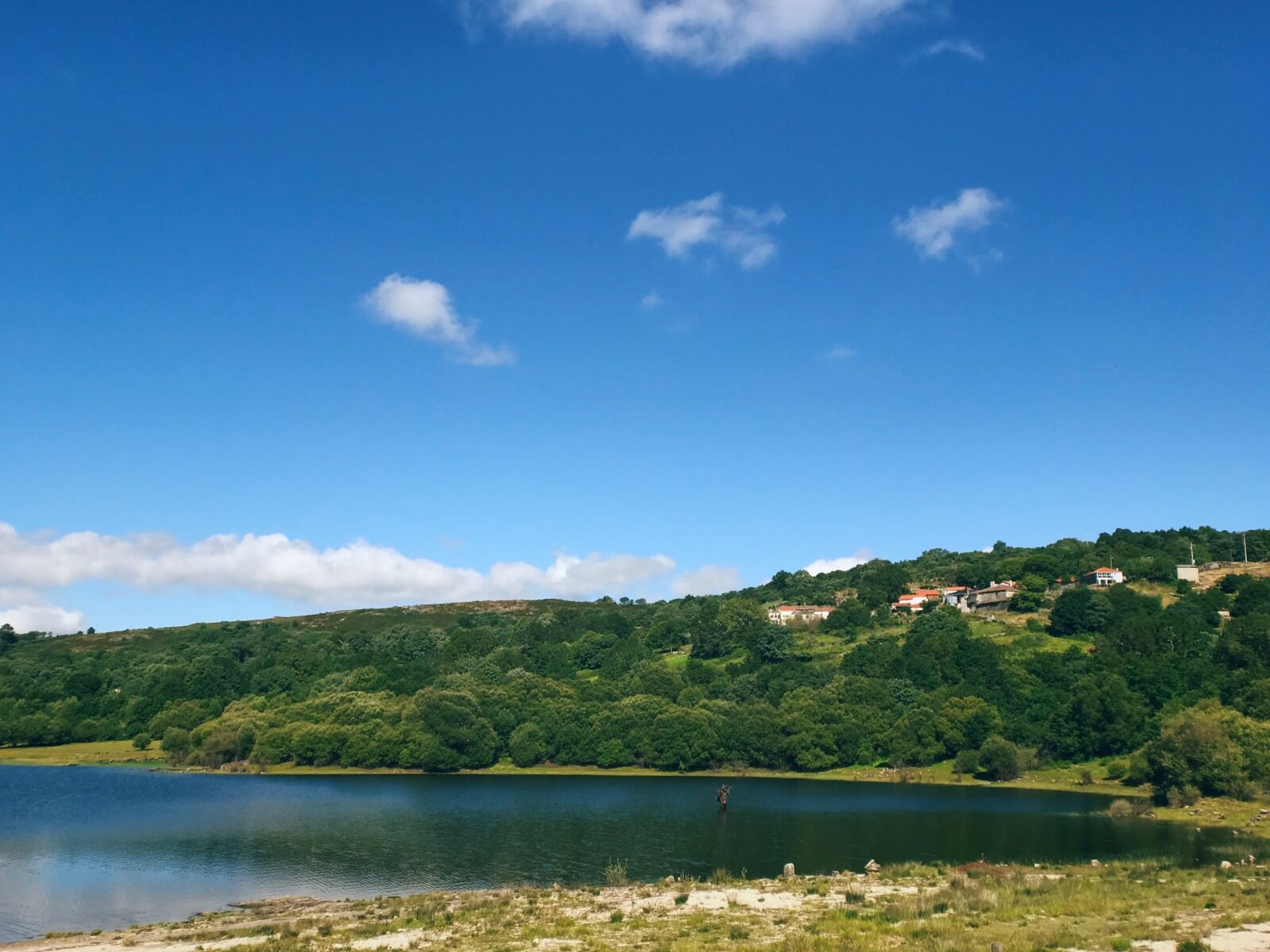
Galician Elections 2020 for Anglophones

As I rest my brain from reacting to the failed state of the United States; its ineptitude at controlling the coronavirus given ample time, money, and other country’s experiences to prepare, rising unemployment, continuing police brutality against people of color, and an uninspiring democratic challenger, I look toward things closer to home. My partner, who is Spanish, cares little for politics and I truly can’t blame her. But in the interest of things Galician, especially written in English, I’d like to preview the upcoming regional elections this year.

Election Day is today, when people head to the polls under less-than-ideal circumstances. The elections were supposed to be held in early April, alongside the Basque Country (Euzkadi) elections. President Feijóo postponed them due to the coronavirus pandemic. Vote by mail requests nearly doubled from 2016 for obvious reasons. For Americans who are used to years-long affairs, these are quite short. I only started noticing campaign posters two weeks ago.
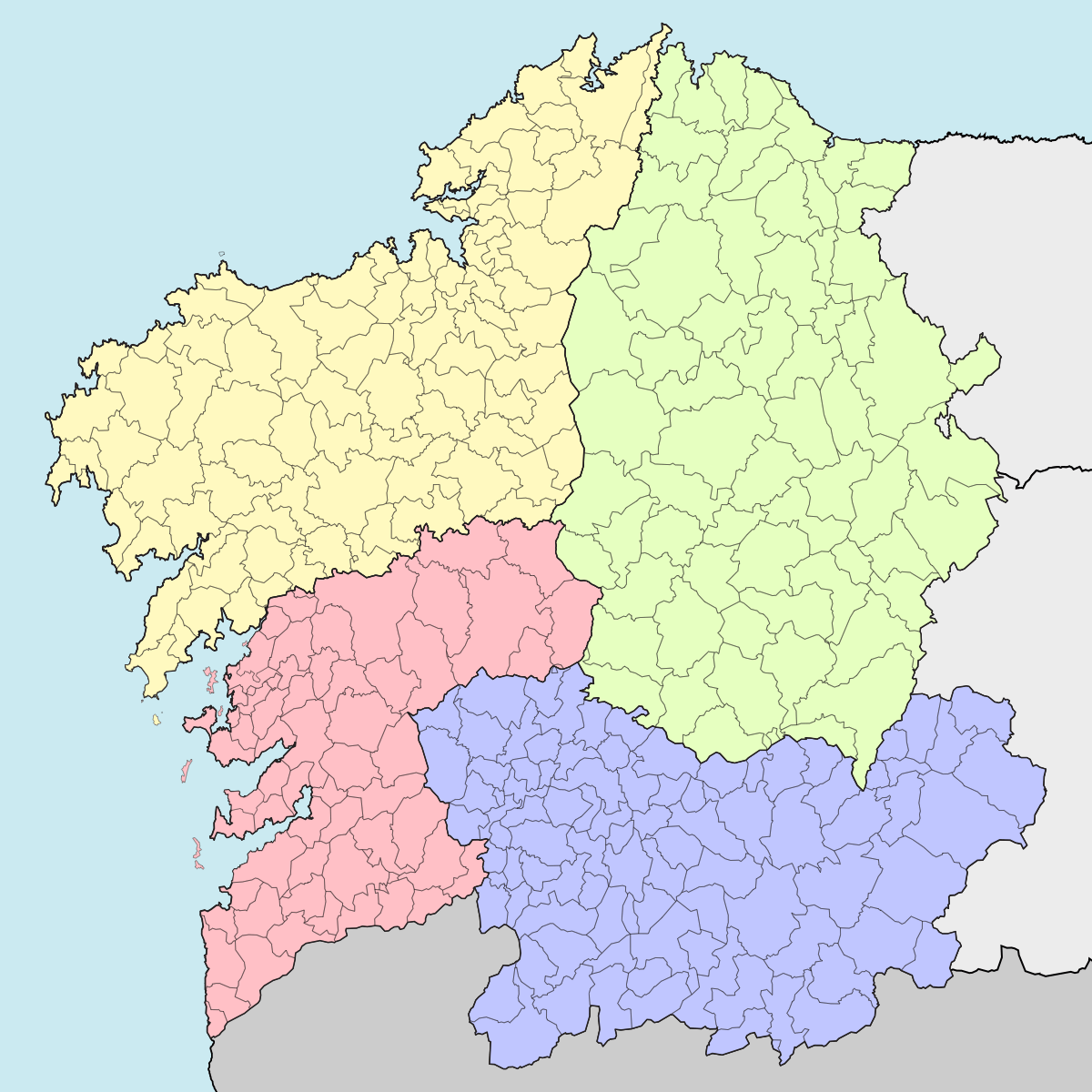
Map of Galician municipalities and provinces via Wikimedia, heavily modified by me.

There are 75 seats in the Galician Parliament for the four provinces. Each province gets 10 seats with the remaining 35 distributed according to population. In the last regional elections in 2016, the seats were distributed thus: A Coruña (25), Pontevedra (22), and Lugo and Ourense, our province (14 each).

Every party puts forth a list of candidates for each province, with their respective head of list, cabeza de lista, as their priority candidate. After the votes are tallied, parties are awarded a number of escaños, seats in the Galician Parliament depending on its vote share. If a party doesn’t cross a 5% vote threshold in that province, they don’t win any seats.

Other than being a multiparty parliamentary system, what interests me is this list system. Voters vote party, rather than a particular candidate. And a head of list or other candidate could theoretically win a seat to represent the province by voters from out of their immediate area.

There are numerous parties contesting the Galician elections in 2020 and I’ll highlight a few of them.

Welcome to the Parties

Status Quo and Insurgent Parties

Partido Popular de Galicia (PPdeG)

The Popular Party of Galicia is the conservative, center-right party that has governed Galicia since 1989 aside from 2005-2009, when a coalition between PSOE and BNG briefly held power. Unfortunately, Alberto Núñez Feijóo, the current president, is expected to retain an absolute majority, despite his old ties to a Galician drug smuggler, despite funding cuts to public education, despite cuts to public health, etc.

Partido dos Socialistas de Galicia (PSdeG–PSOE)

The Socialists’ Party of Galicia, like its national formation which heads the Spanish Government in coalition with Unidas Podemos, is not much socialist as it is the traditional center-left party. Think Democrats, my Yankee readers. While it is true that they defend universal public health, there are still elements within PSOE who are very amenable to business and capital. Gonzalo Caballero from Pontevedra has been leader since 2017. Without reading up on him so much, he seems to have become leader in circumstances like president Pedro Sanchez, that of a prodigal return.

O Bloque Nacionalista Galego (BNG)

The Galician Nationalist Bloc is a at once a left-wing and nationalist party with Ana Pontón as its spokesperson. Different than the Catalan independentists, BNG calls for further autonomy for Galicia, recognition as a historical nation within Spain, and promotion of the Galician language. It was formed in the eighties by communist and socialist parties that were in favor of more home rule for Galicia. After reading even a quarter of Castelao’s Forever in Galicia, I am pretty partial to his and their ideas of true federalismo, something that a plurinational Spain would do well to adopt to better serve its diverse population.

Galicia en Común (GeC)

Galician in Common-Anova Mareas is the Galician left-wing coalition of Unidas Podemos, the once-fabled protest-turned-party that burst onto the electoral scene with wins in the 2014 European Parliament elections. Democratic socialist, anti-austerity, left populist. The national party are in coalition with PSOE in the national government and Communist Party and United Left ministers Alberto Garzon and Yolanda Díaz being in government is a good thing. The Galician bloc has incorporated various municipalist movements, or tides, mareas, from the 2015 local elections. After former spokesperson in Congress Yolanda Díaz joined the government, Anton Gómez-Reino from A Coruña has been at the helm. Unfortunately for Unidas Podemos at the national level and Galicia en Común at the local level, support has diminished in favor of PSOE and more probably BNG

Far-Right Populists and Weathervane Right-or-Left-of-Center Neoliberals

There is of course Vox, the far-right illiberal party that became a powerbroker in the Andalusian elections of 2019 and helped the first non-socialist Andalusian president gain power there. Anti-immigrant, deniers of gender violence. A lot has been written about Vox’s threat to Spanish democracy in the international anglophone press. Since it is my blog, I don’t need to be impartial. They are like those Americans who call millennials snowflakes, threaten people of color and immigrants with violence, cry wolf about how they are being censored, that there is a vast conspiracy of globalists, that there is a culture of silence and Spain must return to some form of proto-fascism. They are disgusting.

Cidadáns, the Galician arm of Ciudadanos, or Citizens, is also a recent neoliberal party originally formed in Barcelona. Originally billed as a social Democratic party, the party has swayed left or right based on political calculation and what alliances seem to be prudent for the party given each election. The formation collapsed at the last national elections and Albert Rivera resigned as party head. I’m not sure how much support they have in Galicia. We’ll see.

Smaller Parties

What’s Going to Happen?

We won’t know for sure until after all the ballots have been tallied, but all major polls point to another absolute majority for PPdeG and four more years of Feijóo. What is more uncertain are a few things.

  1. Does Caballero’s PSdeG–PSOE or Pontón’s BNG come in second to lead the opposition in Parliament?
  2. Given BNG’s rise during the campaign, how well does Galicia en Común fare? Do they lose half their seats?
  3. While Vox will probably not have much support, many are hesitant to write them off completely. How much support to they have amongst an aging, more conservative population than the rest of Spain?
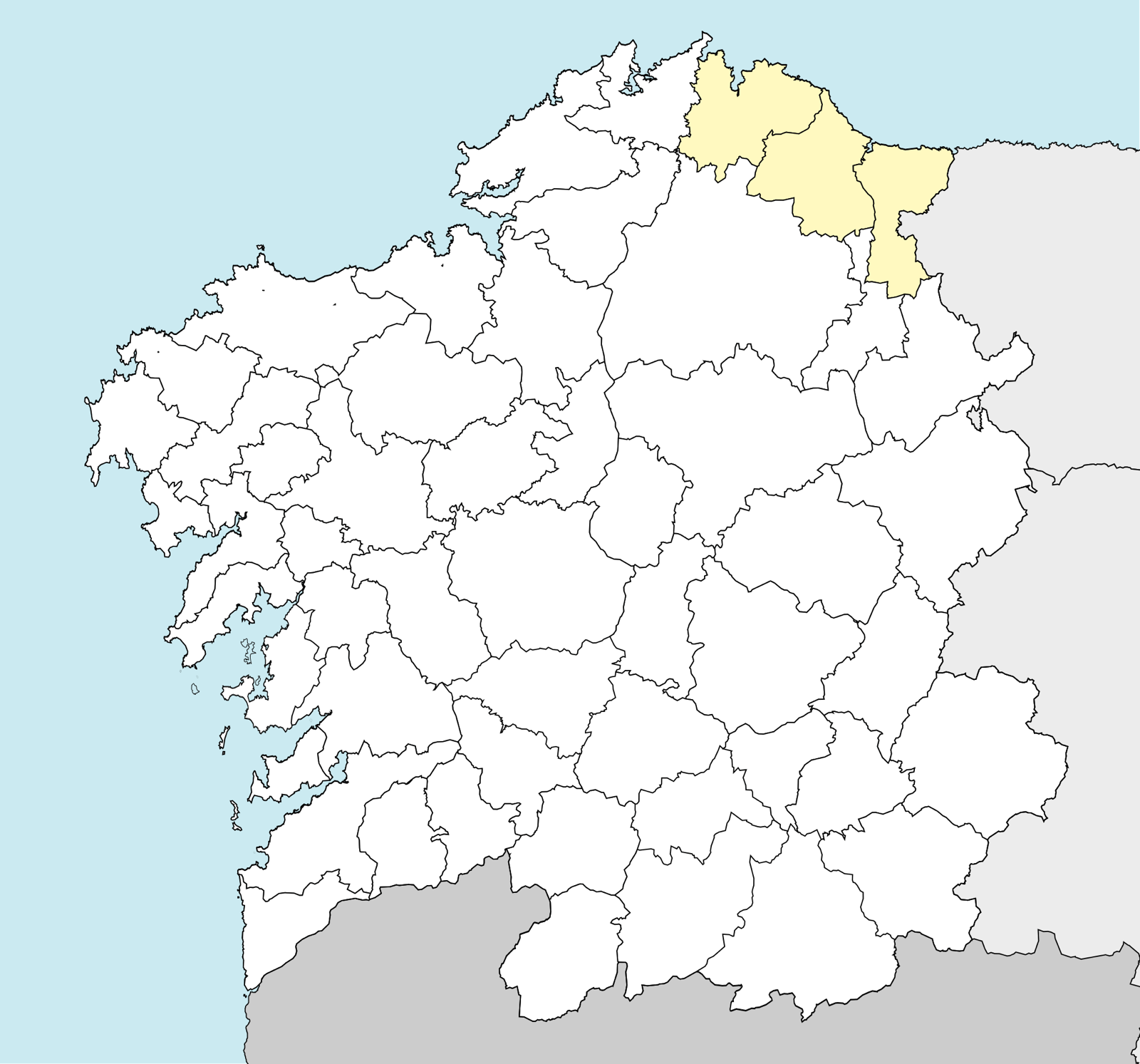

Second Lockdown for Lugo’s A Mariña

Spain had one of the strictest lockdowns in the world to combat against the coronavirus. After the worst of it had passed, the government instituted a deescalation period of various phases. It seemed hasty, but for a country that never really recovered from the 2008 financial crisis and depends on summer tourism, it was clear regions were looking to return to normal, even if we qualified with it the adjective ‘new’. Now it’s back.

Public health officials from the Xunta of Galicia have closed the coastal region of A Mariña in Lugo, at least until Friday. More than 100 people have tested positive in only a few days

Within the containment zone, people are still free to move around without extraordinary restrictions, but without a good cause, no one enters or leaves A Mariña. Around 70,000 people live in the 14 concellos, municipalities there with undoubtedly many more vacationing for summer.

We knew a second wave would come sooner or later. I haven’t read anything about patient zero for this outbreak. We knew the first in March came from Madrid, which isn’t surprising. Talking with friends and acquaintances here, some of us had wished for summer of Spanish residents remaining in there autonomous communities. These regions are big enough to allow city-dwellers to escape to the countryside (sorry to La Rioja, and the North African enclaves), promote local tourism closer to home, and reduce the points of contact and potential travel of the virus.

This would have angered a lot of people, definitely some of the 80,000 madrigallegos who live and work in the capital, and eagerly await the summer months when they can relax at their beach house or return to their home villages. Not to mention the sons and daughters Galician emigrants who left for Basqueland and Catalonia while they were rapidly industrializing and Galicia was still practically a pre-capitalist society.

But as the husband of a family friend said, “It’s one summer.” We’ll see what the rest of the months brings.

Meta: Unfinished Blog Tweaks and Shortcuts

I love using GeneratePress (Premium + GenerateBlocks) for WordPress projects. I’m still relatively new to everything but after using Divi, I’m blown away by how versatile developer Tom Usborne’s products can be in replacing traditional page builders. It also works surprisingly well on an iPad. With the block editor gaining more traction, the future of WordPress development seems different to me. My ship for learning tons of code and hand building custom web pages has sailed. It never docked. But that’s okay. The people I build for are friends and small business owners and GeneratePress will get the job done perfectly.

But I’m keeping Among the Stones in Sami Keijonen’s theme Simppeli, for a long time probably. Like the name suggests, it’s simple and I love the bold headings, typefaces, and lack of a dropdown menu. It’s not for everyone, but it is for me.

In early iterations of Among the Stones, I tinkered much more than I wrote, usually without much knowledge on how to do it. So I would switch from Raam Dev’s Independent Publisher (a very good blog theme) to a thousand others, searching in vain for that desired look. Then switch back, change some things, become restless again, then go hunting on GitHub and WordPress’s themes directory once more. Repeat, repeat, repeat. I hated it.

Lately, I’ve tried to focus on writing more. I’ve used the space to journal, to link and comment on things around the internet, and to share photos and some ideas.

Now, and especially after seeing a nice blog redesign, I have a list of changes I want to make to the design of Among the Stones, all within a child theme of Simppeli.

Here’s the thing though. I’m trying to prioritize offline time after my classes, so some of this might get done, and others might not. I’ve sat down to finish up a shortcut or dive into a problem only to be pleasantly pulled away by a walk in the woods, or one of the unread books sitting on my nightstand. Most of these unfinished tasks are small tweaks, such as highlighting the tagline of the blog to break up the black and white. I also added a vertical line of the same faint yellow #fff9c0 to block quotes to better differentiate quotes. So here they are, to be done or not.

Blog Tweaks

SSL Certificate

Really the only thing I must figure out quickly is securing the blog with SSL. My knowledge of the backend is admittedly pretty shaky. I found my first host, Media Temple, through Mike Rockwell’s Initial Charge. I’ve since switched to a Digital Ocean droplet and this means the command line. I go to make a password on the droplet and it fails. Every time I’ve sat down to figure it out, my eyes glaze over and my short attention span (or undiagnosed ADHD) forces me to get up and go outside or read something about autochthonous forests or the history of emissaries.

Dark Mode

Automatic dark mode on iOS13 is something special. I have it set to sunset to sunrise. Most of the apps I use have a dark mode that defaults to the system now. And the web can also take advantage of @media (prefers-color-scheme: dark. I have a snippet that I’ve pieced together but it’s incomplete.

    @media (prefers-color-scheme: dark) {
  body {
    background-color: #333333;
      color: white;}
      p {color: white}
        a:link {color:#ffffff;}
    a:visited {color:#ffffff;}
    a:hover {color:#ffffff;}
    a:active {color:#ffffff}
        h1 {color:#ffffff;}
    h2 {color:#ffffff;}
    h3 {color:#ffffff;}
        h4 {color:#ffffff;}
        li {color:#ffffff;}
        tr {color:#ffffff;}

    #respond #commentform textarea {
    background-color: #404040;}
    #respond #commentform .text,
    #respond #commentform textarea {
    color: #ffffff !important;}
    }
}

The metadata below the post and the typeface color with highlights don’t switch, so I haven’t implemented it yet. Until then, the white background at midnight is a little jarring.

It’s proverbial low-hanging fruit but the search bar that appears in About and Archives is rounded, where every other text field is square. I want to change this to make it more consistent.

Better Archive

Simppeli doesn’t come with a great archive, so I’ve used short codes for recent posts and months with a search bar. I’d like to include post dates after recent posts’ titles, a smaller month and year view like kottke.org: use years and months in a line, include most-used tags with the number of posts next to them in a simple comma-separated list. I’m not a fan of tag clouds with each larger or smaller tags.

Minor Changes

  • Add image borders? I go back and forth between loving a thick black image border or not. Earlier, I used to upload photos with these included already. Have a thought on this? Let me know in the comments.
  • Remove the drop shadow from text boxes.
  • Customize Jetpack’s Related Posts feature to blend in better with the metadata and post.

Leveraging Shortcuts for A Better Blogging Routine

Alongside some aesthetic changes, I’d like to take advantage of more automation so I don’t have to fiddle inside the dashboard after publishing. I have not fully harnessed the power and time-saving capabilities of Shortcuts in my writing workflow. I have a ton of things to figure out to make more customized Publish to WordPress shortcut for markdown editors like iA Writer, my text editor of choice on iOS/iPadOS. I think most of this requires regular expressions, again, something akin to hieroglyphics.

Hashtags

iA Writer is also a very simple text editor app. With its main competitors, Ulysses and Drafts, moving to subscription price, iA Writer has intentionally stayed one price. I think I paid 4.99 USD for it in 2016 or 2017, but now it is 29.99. Only you can decide if it is worth it, but the amount of updates and ease of use suggests it might be for writers looking for just a blank page.

It utilizes iOS’s Files so you can see and move around your text files (not so with the two aforementioned apps). For organization, you can use Folders and hashtags. Hashtags are also used for titles H1-H6 in markdown. For instance, this section has three hashtags ###, a space, then the title Hashtags. To use iA Writer’s organizational hashtags, leave out the space. They will appear on the Library view at the bottom in alphabetical order. When you preview a filed with the keyboard shortcut ⌘+R, these do not appear.

What I’d like to do is add a few actions in Shortcuts to recognize these organizational hashtags (probably located at the bottom of a page) and use them as tags to be included in WordPress’s publish action, without them appearing in the finished post at the bottom of the page inside the body.

Utilizing iA Writer’s highlights

I like highlighting physical books and PDFs. I also like the look of them in posts to draw attention more than bold type. iA Writer recently added == as a way to bracket and highlight text inside the app rather than using HTML <mark> and </mark>. Unfortunately, WordPress does not recognize this. I need a few actions to find these, replace the beginning equals signs with the first HTML tag and the ending equals signs with the second.

Captions for Images in Markdown

If I use photos in posts, I run a shortcut that resizes and compresses it, uploads it to WordPress, and gives me a markdown URL, such as ![](amongthestones.com/...jpg). Theoretically captions go in the brackets, like any text that will turn into a link. While WordPress recognizes links, it does not render properly for captions. This means I have to go in to each publisher post, add the media manually and use HTML if I want to link to an image source that isn’t mine in the captions text box in the media library. It takes time and can be cumbersome from a phone or tablet, which is where I write.

Better Footnotes

I try to avoid footnotes, but for some posts, they could be helpful but I haven’t found a WordPress plugin or other solution that correctly emulates how markdown and iA Writer adds footnotes, which is simply [^text here] that automatically numbers them down at the bottom of a list. If you have any suggestions, let me know.

This one’s a bit meta and nerdy, but maybe I’ll find some solutions to these from someone reading this. The next post will be about Galician elections coming up on 12 July.

Hey Apple, Add A Galician Keyboard in iOS14

Apple’s annual Worldwide Developers Conference (WWDC) wrapped up yesterday. This year’s was pretty different. With the coronavirus pandemic unabated, the whole conference was moved online and made more accessible and streamable for all, providing safety and convenience to regular attendees as well as enthusiasts who have never made the trip to San Francisco or San Jose.

As I’ve written elsewhere, I no longer desire the latest and greatest hardware, so iPhone events don’t interest me greatly. While iPhone prices have risen (excluding the new very affordable and cool iPhone SE 2), Apple has extended the shelf life of older iPhones by continuing to support them with iOS updates. I was never one to upgrade every year, but that didn’t stop me from wanting shiny new things. As I’ve adjusted to a lower salary (but improved quality of life), secondhand iPhones with a home button and an older but functional iPad totally work for me. This is a testament to how well Apple supports these devices and it’s commendable.

But I’m still a software geek at heart and enjoy seeing what the company and the dedicated iOS developers around the world bring to the operating systems, iOS and iPadOS, every year. I’ll write something more about the things I’m most looking forward to, but today I wanted to write something about software keyboards.

It’s not a particularly flashy topic. Anglophones have typically taken for granted that our language dominated the internet, which means technology is much more accessible to us than others. Before smartphones, my friends and I quickly learned to type with T9 as we relied on the system to understand which words we wanted to use depending on the combination of numbers we pressed, rather than press 2 thrice for the letter c. For speakers of other languages, this might not have been the case.

When the iPhone was revealed all those years ago, it did not feature a hardware keyboard with buttons like the once-popular Blackberrys had. This allowed the iPhone to have a larger screen, since it could hide the keyboard when it wasn’t necessary. It also allowed for different keyboard layouts. Most of us primarily input information into our iOS devices through typing. If we’re quick or careless, we rely (heavily) on autocorrect and keyboard suggestions. Some of us have reduced or even stopped traditional computers with hardware keyboards in place of phone and tablet screens.

Having a good keyboard with its own dictionary and intelligent suggestions is an important and often overlooked technology. And while there are apps that we can download to add keyboards for other languages like N’ko or that provide certain functions like Gboard, nothing beats having a default, system-wide keyboard built into the OS.

I live in Galicia. It’s one of the few historical nations and regions inside Spain. I go to the bank and I’m able to request the ATM’s language in various languages, including English, before I make a transaction. If I go to Eroski, a Basque supermarket chain found all over Spain, most of the products are labeled in Spanish, Catalan, Galician, and Basque.

But when I try to add a Galician keyboard to practice writing (and learn spelling and where to place accents via autocorrect), it’s missing. It’s time for Apple to add a Galician keyboard.

Some Background

Galician, or galego, has a legitimate need for its own keyboard on iOS/iPadOS (from here on, just iOS). Adding it would further Apple’s mission of connecting more people together using its devices and service in a language that a few million people speak and feel comfortable in using.

The Galician-speaking community in Galicia, around Spain, and worldwide is sizable. With around 2.4 to 3 million first- and second-language speakers, Galician has a deep history, intertwined with the broader history of Castile/Spain. From the late 12th to the 14th century for example, Galician-Portuguese (then a single unified language) was almost exclusively the language of lyrical poetry in Christian Iberia.

It is a co-official language of the autonomous community of Galicia, used in schools and universities, at home, in gaarden, churches, amongst political party members, at sea, on television channels and radio stations, in newspapers, and in town halls. It a language with a rich lyrical tradition dating back to the 13th-century. And it is a language with speakers dedicated to preserving it, and thereby, their culture, in spite of the more historically dominant Spanish language.

There are also significant numbers of Galicians living in other parts of Spain and around the world, especially in the Americas and other European countries, due to a history of emigration in the mid-20th century.

While related to Portuguese, Galician is a separate language with different orthographic norms officially administered by the Real Academia Galega. Simply, Galicians care deeply about their language and culture and strive to valorize it in myriad ways.

During the fascist regime of Franco, who ruled the country from the civil war in the late 30s to 1975, Galician and other regional languages like Catalan and Basque were suppressed. And even before, Galician was thought of as a backward, rural language for farmers, lower in value than the “urban, sophisticated castellano”.

But this is changing. There are countless people, social movements, social media campaigns, and organizations dedicated to the preservation, use, and advancement of Galician. There is a desire for a Duolingo course to learn Galician. Some quick searches in in English, Spanish, or Galician will prove this. In short, many people learn, speak, and write in Galician. Those of us who don’t, want to.

Just Following A Trail

Apple providing a native, system-level software keyboard with autocorrect and suggestions would deepen its commitment to fostering creativity, education, and productivity for Galician speakers. This would have enormous benefits for different groups of people; younger generations of digitally native Galician speakers, neofalantes (people who did not grow up speaking Galician but choose to learn and speak it for various reasons), immigrants such as myself who wish to learn it to better communicate, and of course older Galician speakers who rely so much on Apple’s intuitive ecosystem to stay in touch with family.

What I’m writing isn’t anything new. I haven’t necessarily seen anything in English but I first saw the website Queremos Galego years ago. The last post is from the days of iOS 8. On Twitter, Galician triple jumper Ana Peleteiro is just one of many to lament the fact that they must either use a Spanish or Portuguese keyboard when they write, both of which are insufficient given orthographic and vocabulary differences between the three related Romance languages.

I find it very sad to have to put the keyboard in Portuguese to be able to type in Galician on my iPhone. I think Galicians should be more proud of our language and give it much more use. — Ana Peleteiro

There have a few Change.org petitions that get passed around the internet. While it is true that iOS users can add Galician (Galego) to a list of Preferred Language Order in Settings > General > Language & Region, they cannot change their iPhone language to Galician nor can they add a keyboard to write properly in Galician.

How Apple Can Help

So where does Apple fit into this? Simply, they can help people write in Galician on their devices by adding a systemwide keyboard. This would eliminate the need for lower-quality third-party keyboards. Then, Galician speakers and learners could use it everywhere, with correct spelling, autocorrect, suggestions, etc. Catalan, another regional language of Spain, has its own keyboard. Why not Galician?

Millions of people use iOS everyday. With the current global pandemic and during the quarantine, we rely on our iPhones and iPads even more. This is of course anecdotal but from my own perspective, younger Spaniards prefer iPhones to Android. My sister-in-law is a university student in Madrid and the vast majority of her friends have or want iPhones.

Keyboards for Languages With Less Speakers Than Galician

Presupposing that Apple cannot include every language keyboard (even though I think they should try), I’ve listed a few languages that, according to various census data pulled from Wikipedia, have fewer speakers than Galician. Some of these figures include L2 (second-language) speakers.

If these languages have been prioritized and given a keyboard, it is because there is a need, a demand, for writing in them. It is because there are users or employees inside Apple who have petitioned for them, spoken up for them. If this is the case, then surely Galician deserves one too.

Get Involved

While I am writing to show a specific absence of a default Galician keyboard, other language communities should support the Apple in Galician effort, just as we should support other communities petitioning for better accessibility and more multilingual keyboards. Basque does not have its own keyboard, for example. And this is only Spain. Wherever there is a sizable language group, we should be pushing for more multilingual accessibility to Apple products. So let’s reach out:

  1. Make some noise: Tweet this article, send it to Apple employees, translate it into Galician and Spanish, use the hashtag #AppleEnGalego, etc.
  2. Write to Apple directly: Use Apple’s Feedback Assistant

Photos From Ribeira Sacra Lucense

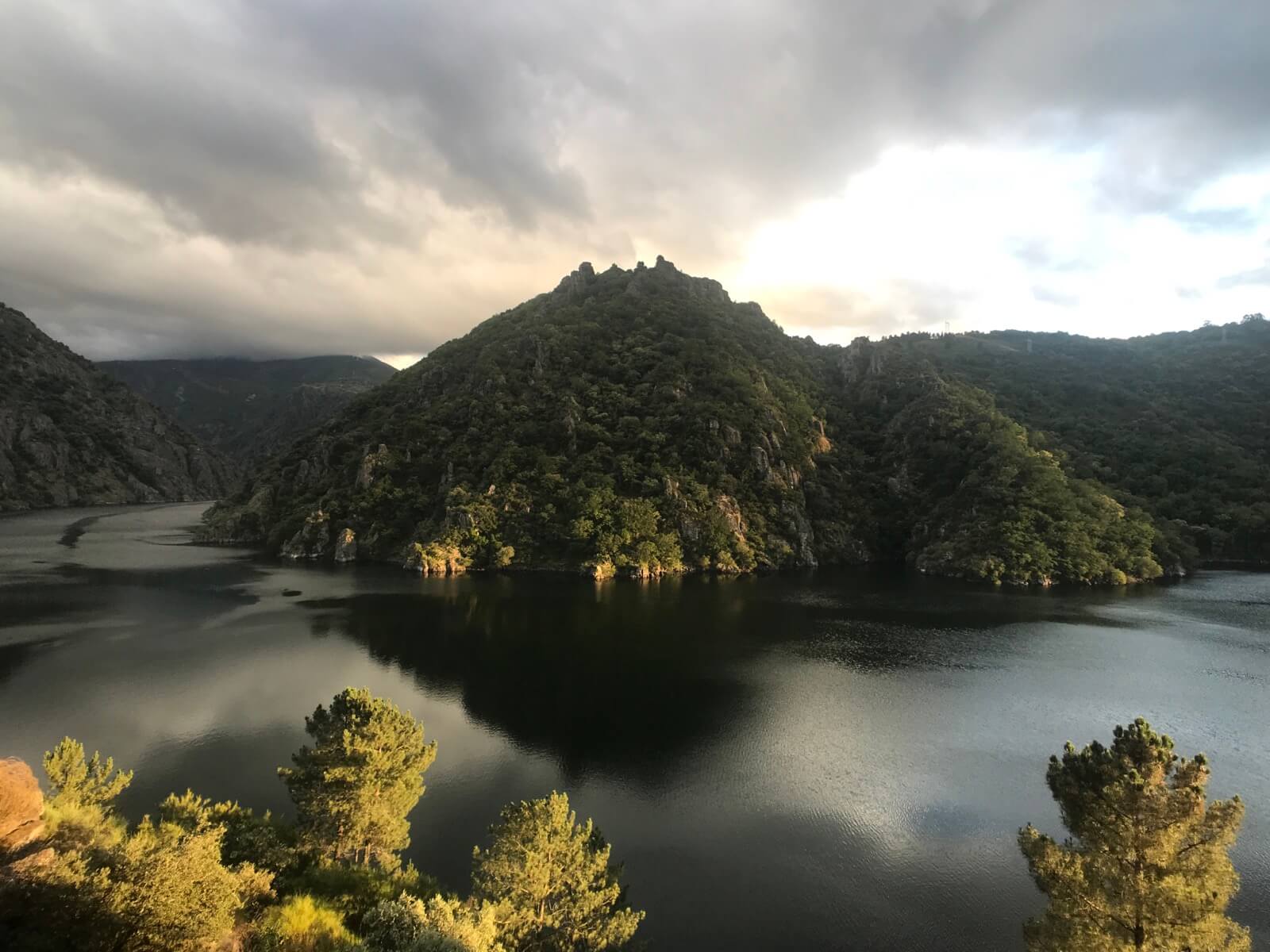
As the first trip out of our town since the quarantine, we started north to Ourense, then headed northeast to explore the towns just before Monforte de Lemos on the lucense side of the Ribeira Sacra. The weather was mostly dry but a little chilly, the end of an unusual cool streak.

We passed the small railroad town of Canaval (or Canabal in castellano), right off the highway near Ferreira de Pantón, quite a few times this week. Along with the train station and a cluster of old homes was an old brick industrial smokestack that reminded me of Cologne. For whatever reason, memories of driving through rural France on the way to Germany came to mind. The town felt forgotten, but in peaceful way. Perhaps its train service and proximity to Monforte de Lemos.

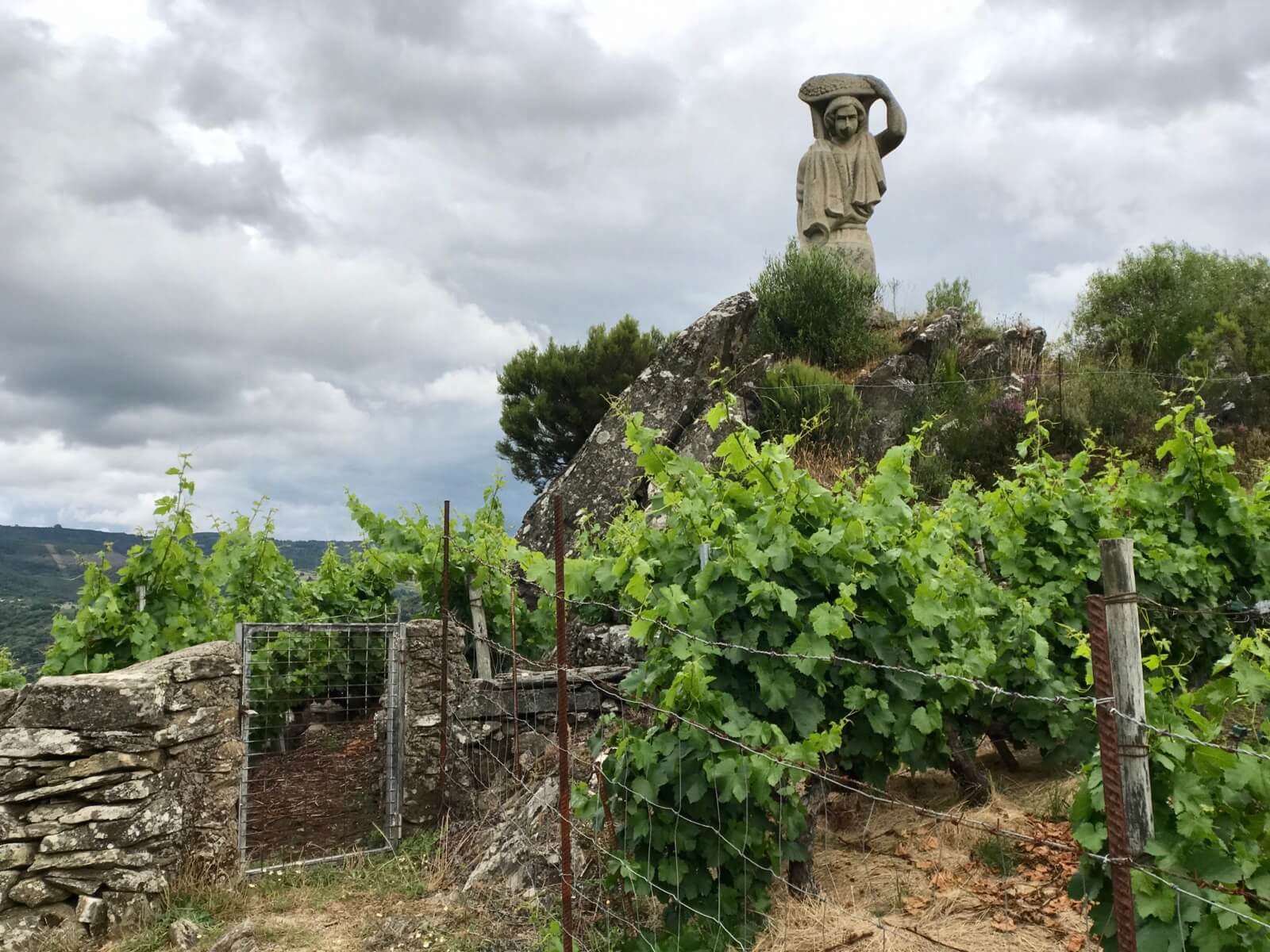
After Doade, a touristy town dedicated to the area’s signature viniculture, comes the Lookout of Souto Chao with its great views of Canón do Sil and its granite statue of a grape picker.

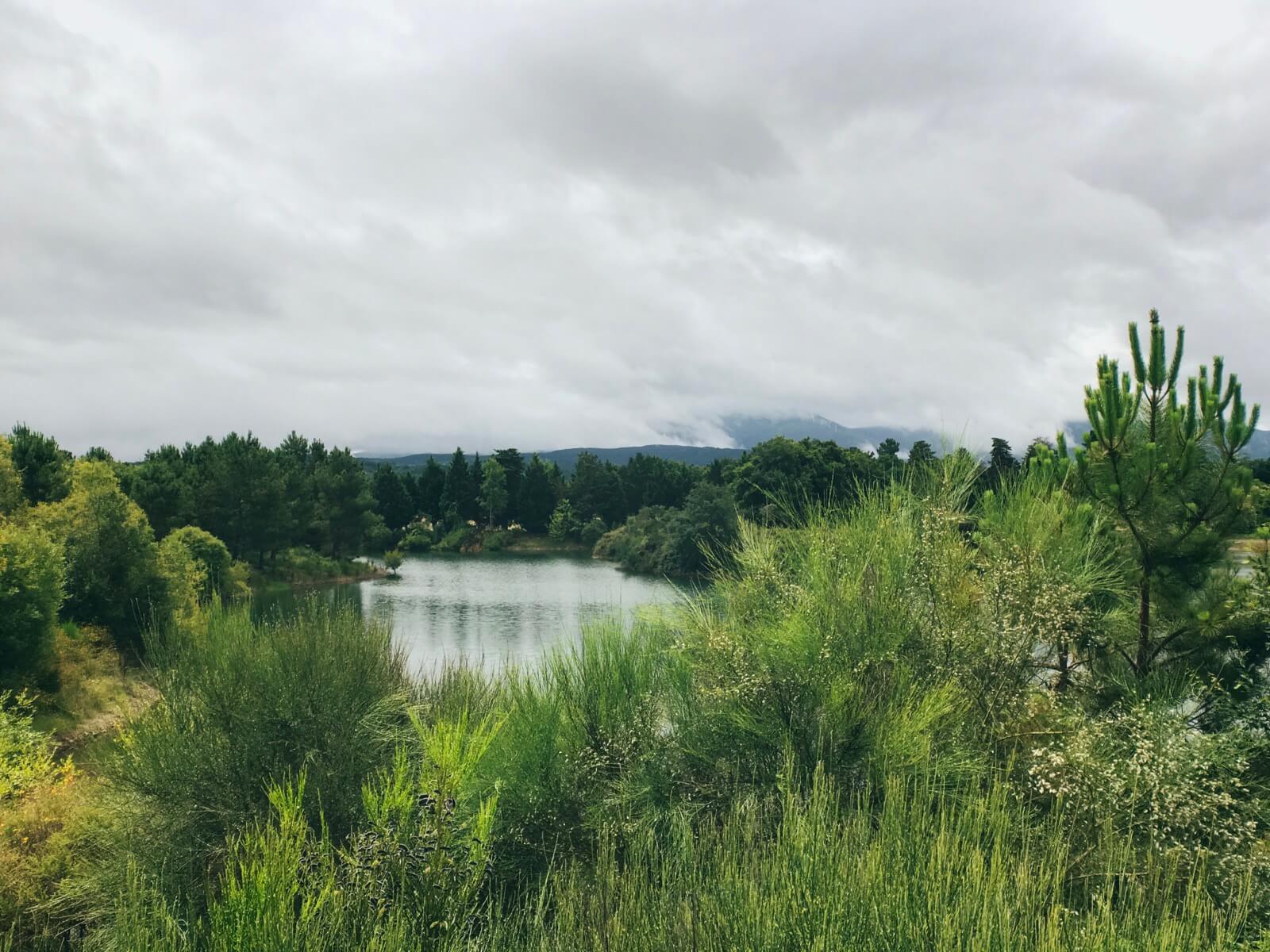
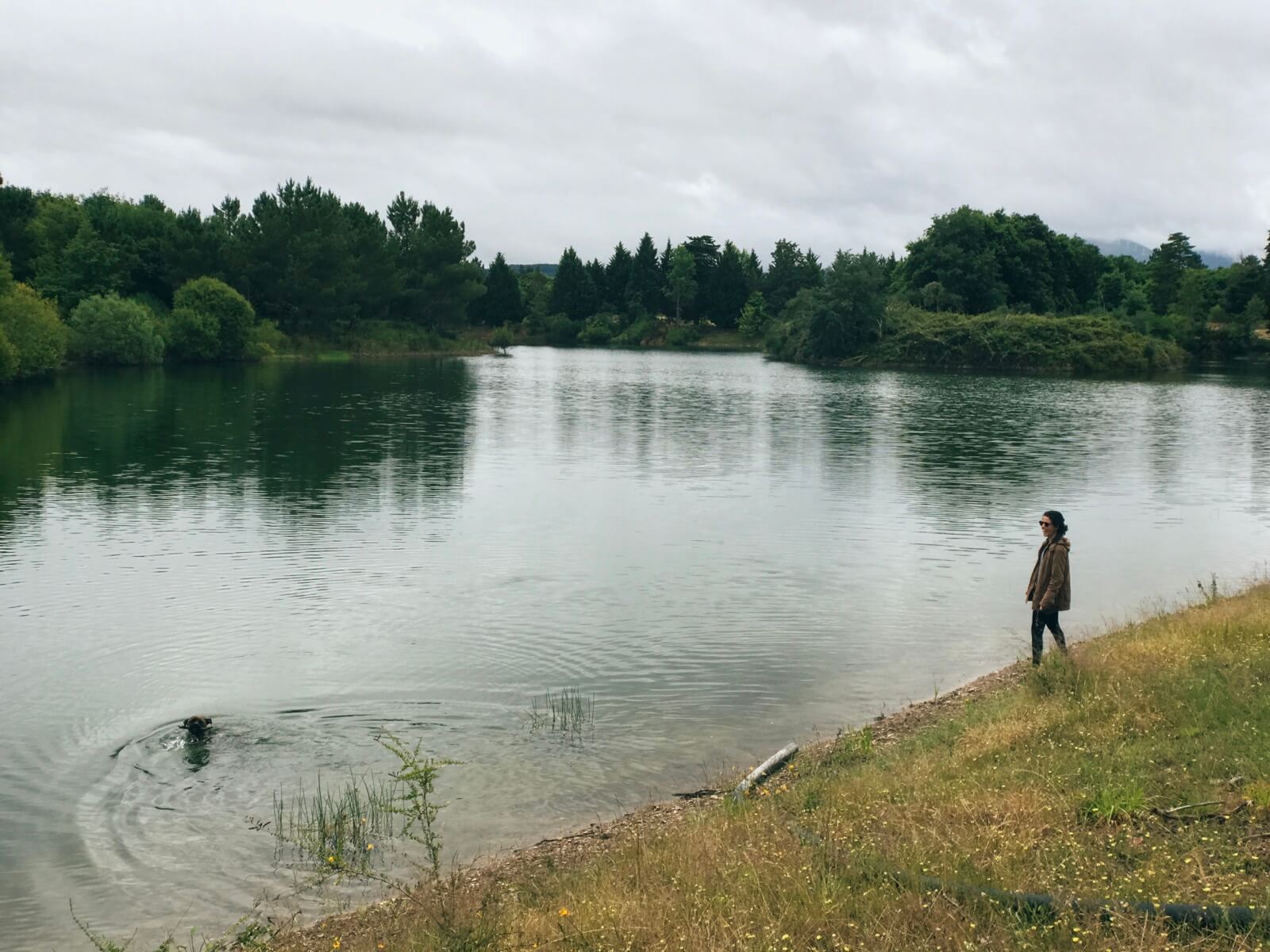
We bounced around between lugares and parroquias in Sober, Pantón, and O Saviñao looking at different houses from idealista, talking with neighbors, and getting a feel for the rural life in this corner of Galicia. On the way, we found a lake near Rosende. It turned out to be private property but we still managed to have a nice lunch and walk around without disturbing anyone, or them us.

Alqo has been getting braver with going into the water and swimming a bit since we showed him the Arnoia river by our house. The last time he swam was in Long Beach and I think the waves scared him!

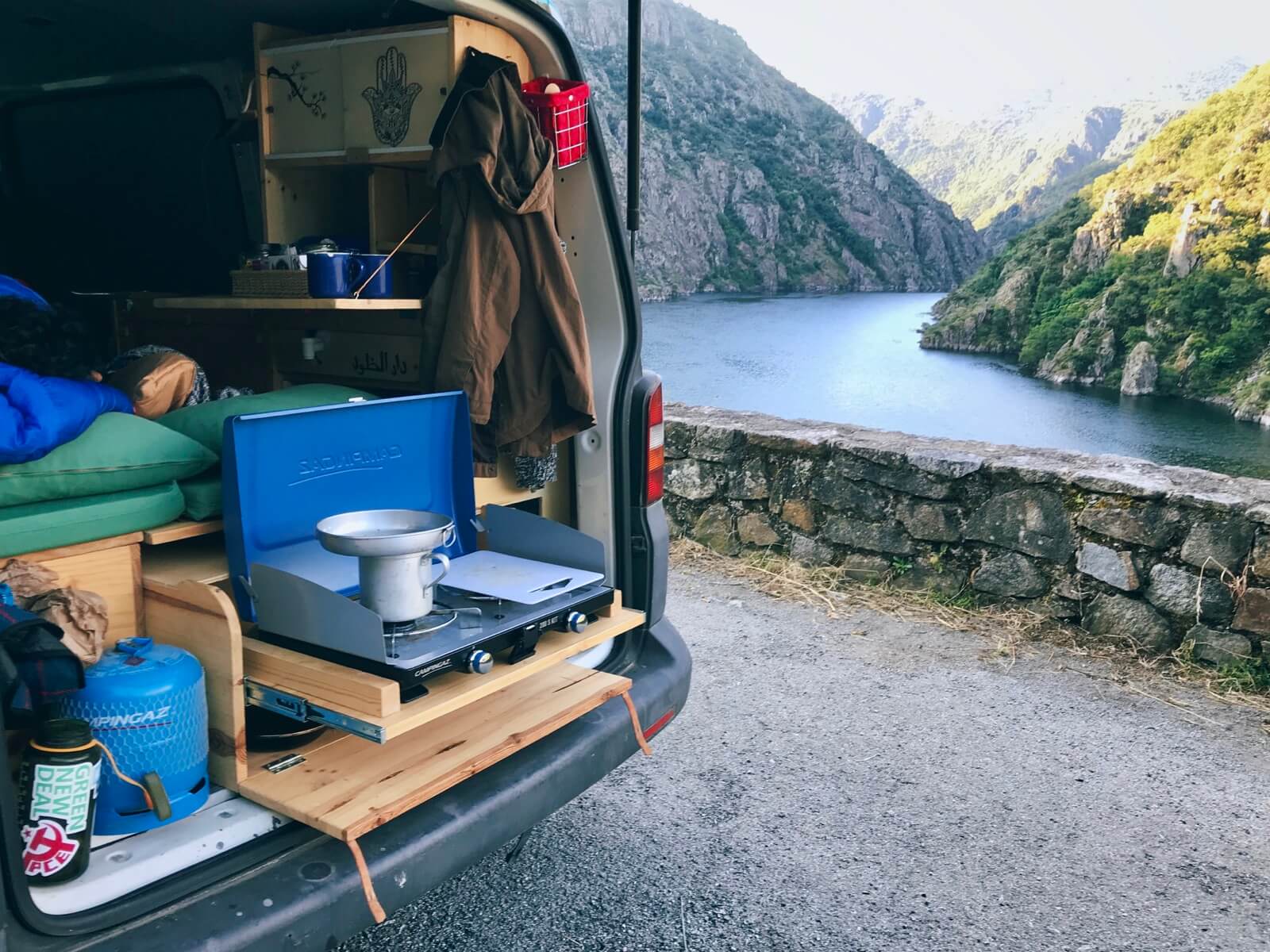
Van camping is fairly easy in Europe. While not exactly legal, if you’re off private land and and not conspicuous in you’re vehicle, you shouldn’t have a problem. When you camp off-season and in less-populated places, this becomes easier.

Alqo and I are almost always the first out of bed.

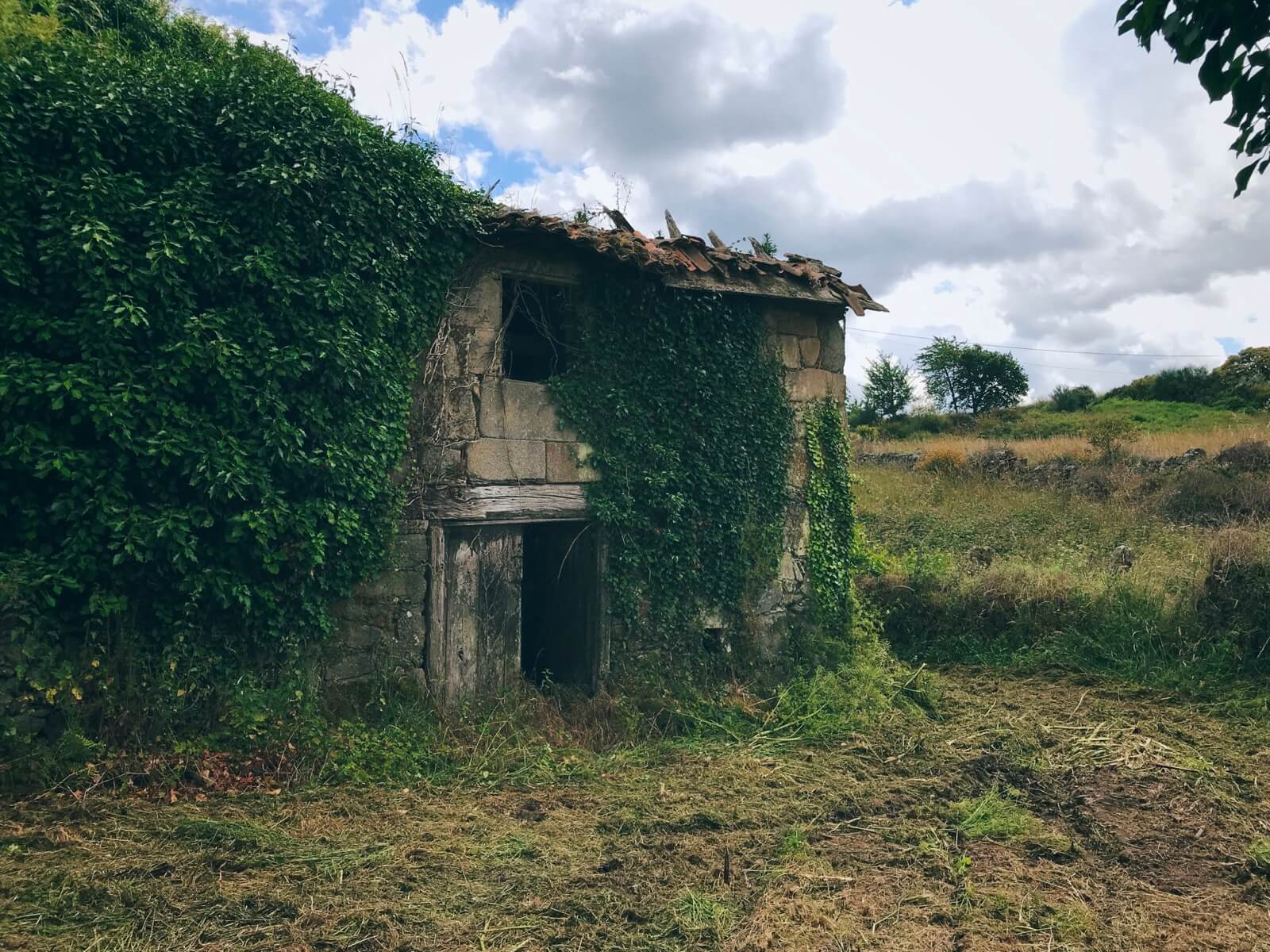
Many of the fincas we looked at have been long abandoned. Occasionally all that is left is the stone foundation, like this house that was built in the 19th century. Other times, we’ve seen houses with the bedspreads still on and knickknacks on the bookshelves. The older generation emigrated out of necessity. The Galician land inheritance system of minifundium prevented families from growing enough to sustain themselves, so they left; to Cuba, Argentina, to Catalonia or Basque Country. The younger generation inherited these places but either can’t or won’t live in the rural world for myriad reasons. No jobs, no option to telecommute, used to city life, etc.

Perhaps there will come a de-urbanization phenomenon due to the pandemic and financial crisis that pulls young people away from the cramped city life back into España vacía, empty Spain.

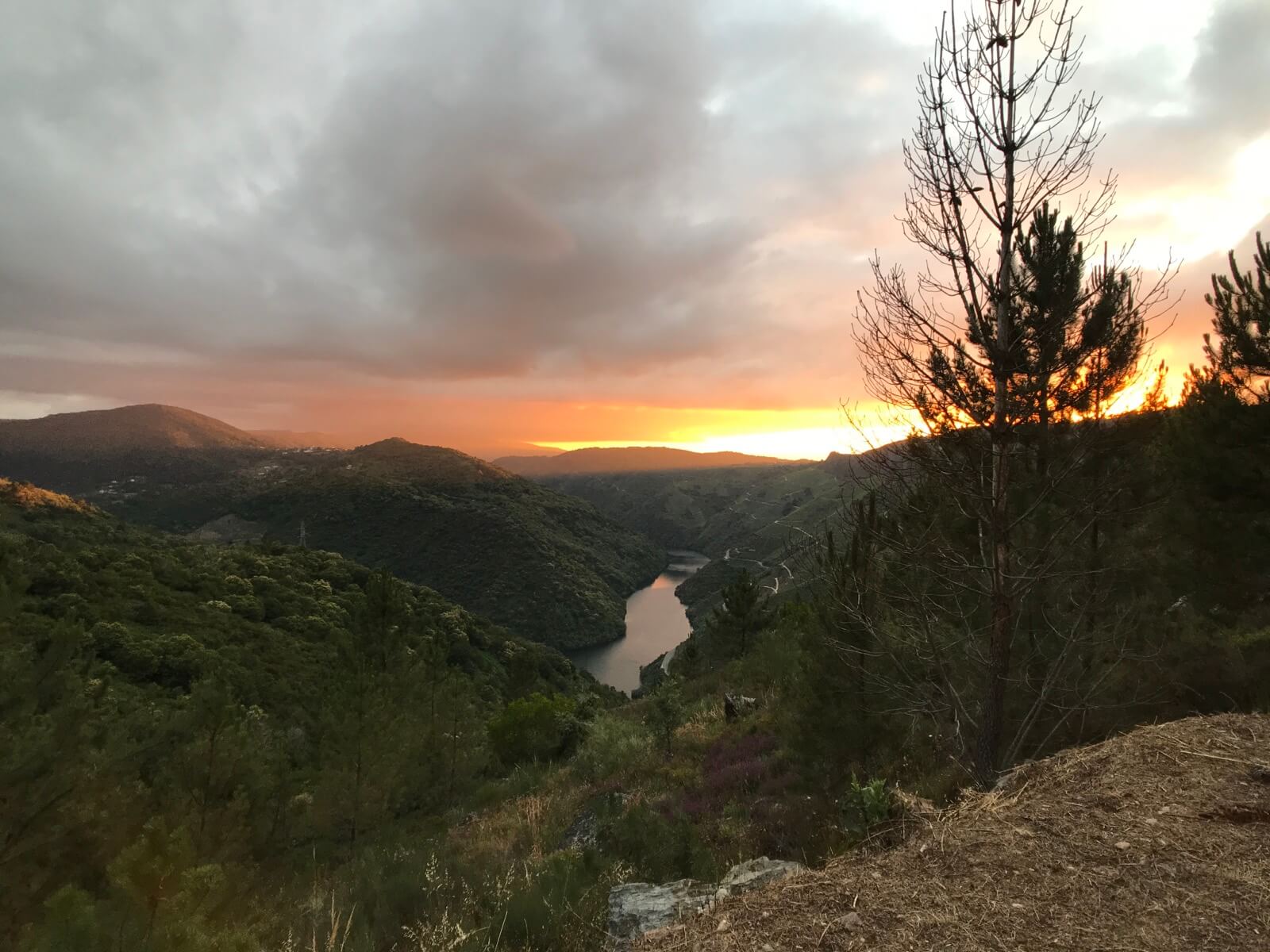
This mirador is actually on the Ourensan side of the canyon. Our last night we decided to cross over the river and camp near Paradela and Castro Caldelas. The mirador As Penas de Matacás offers a stunning view at sunset. I don’t think it’s possible to tire of looking at the canyon walls, the vineyards, and the villages nestled close to them.

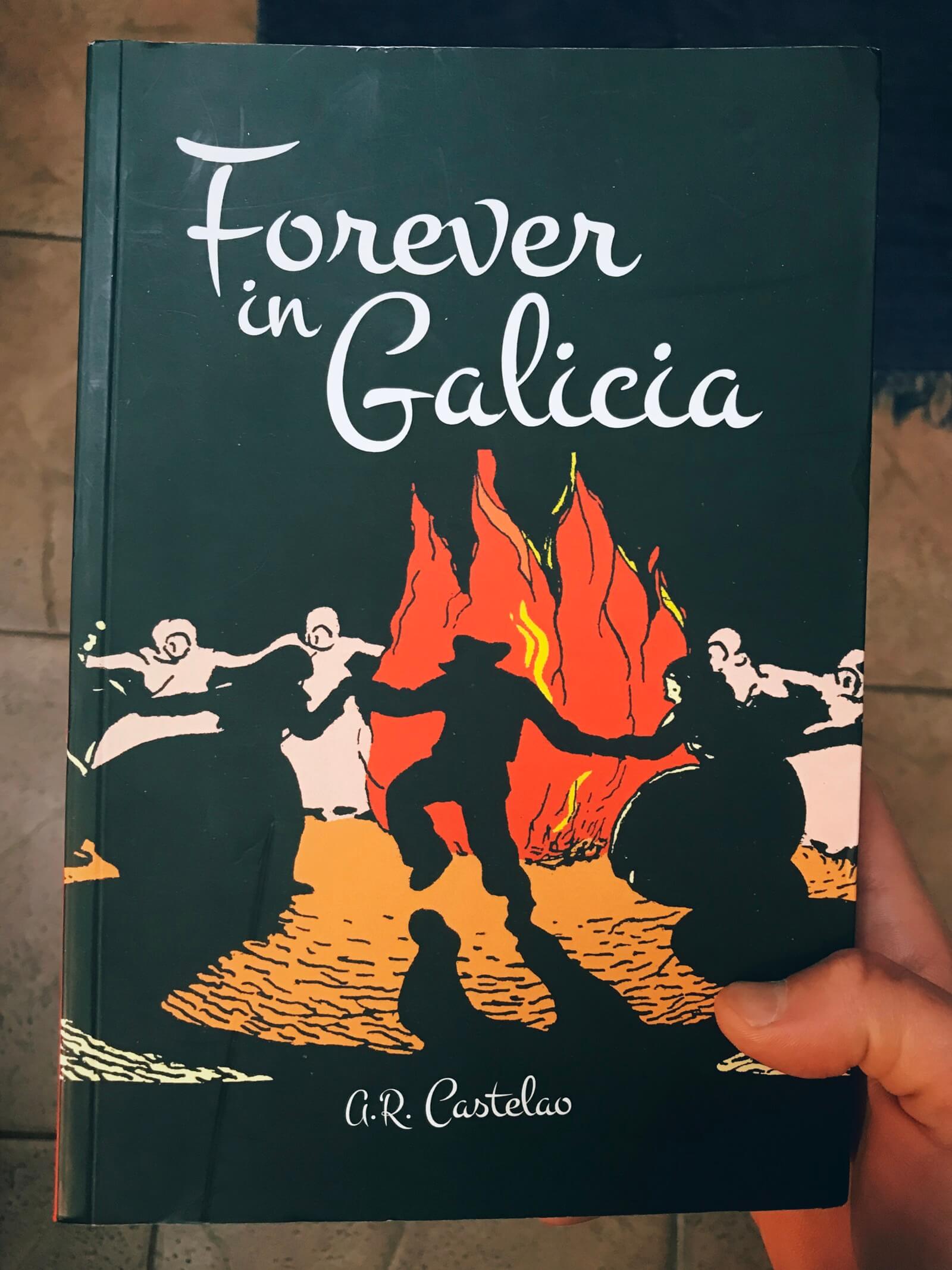
There’s been a lot going on in the world, and I need to disconnect a bit. So I brought Castelao’s Sempre en Galiza, translated by Craig Peterson, with me on the trip. It’s a very interesting book. The publisher Francis Boutle sums the book up quite nicely:

Forever in Galicia is the most extensive account of Galician identity ever written, an idiosyncratic text that spans and erodes the traditional genres of memoir, political treatise, historical essay and revisionist analysis.

I’ll share more after I’ve read more, but suffice it to say that it’s a compelling read for another interested in the history and cultural diversity of Iberia.

Lastly, on our route home, we saw a few reservoirs on the map. We stopped at the small beach near the town of Pradomao and found a great potential camping spot for the future.

The trip was both refreshing and intimating. Refreshing as it removed us from the monotony of the quarantine life while still being safe and socially distant. But intimating as it made us confront new potentialities.

  • How big of a rehabilitation and agriculture project can we both handle?
  • How far is too far removed from nodes of denser society for economic and social futures?
  • What will the area look like in ten, twenty, thirty years?

And so many more. Patricia said it didn’t feel like a vacation since her brain was in constant overdrive with possibilities. I agree.

Next week, we head back to the Rías Baixas area for a few days to visit family and plant a small garden.