Here’s to recognizing the changes and cycles in everything, to re-aligning with our differentiated authentic selves, and rediscovering my absolute lust for life.
Lo! A philomath's field notes & yearnings
Essays and longer writing
Here’s to recognizing the changes and cycles in everything, to re-aligning with our differentiated authentic selves, and rediscovering my absolute lust for life.
It’s been quite the year.
I’m finally ready to start sharing a bit about what’s happened and changed within me. This time, I plan to actually write and share with honesty; not the thing I was doing before — hiding behind some semi-curated veneer of who I actually am for the sake of ignoring some of my shadows. Let’s see if any of it makes sense and/or is helpful to others.
In the meantime though, here’s my pilgrim credential from my four-day camino de invierno a Santiago de Compostela (I collated some Instagram Stories from along the way):

I also re-connected Micro.blog to kickstart the slow move away from Twitter/Instagram.

This year will be the year that the world finally wakes up to the absolute reality of Israeli apartheid.
But it is not a given. Governments still continue to fund Israel. Yesterday, in full view of the asymmetric warfare that kills massively more Palestinians, The Biden administration approved a $735 million deal for precision-guided weapons.
With all the documentary evidence of this apartheid; live videos, firsthand testimonies, Instagram stories, etc., ostensibly “liberal” media outlets like La Sexta and the New York Times knowingly distort the situation.
My tolerance for bullshit is very low these days. Israel and IDF social media accounts make memes and use rocket emojis, trying to convince us that what we’re seeing isn’t really what we’re seeing. Or the Arabic account incorrectly citing Qur’anic verses. Or it’s too complicated. Or this is another incident in the tit-for-tat Middle East conflict and “they’ve been fighting for thousands of years”. Or it’s a religious conflict. If you find any of these excuses resonant with you, perhaps you can start by listening to a Citations Needed podcast episode debunking the 5 most common Anti-Palestinian talking points.
Without a seat in parliament or congress, without financial or political capital, there’s very little I can do. Except use my voice, however small or insignificant.
The Galician Committee of International Solidarity Mar de Lumes, along with many other organizations such as BDS Galiza and Asociación Galaico Árabe Jenin, put out a manifesto for the integrity of Palestine:
Palestinian occupation began formally in 1947 and is to the day a capital crime. A crime against the people perpetuated with military force which constantly ignores international condemnation. The occupation of Palestine is also a crime against humanity. It has direct culprits that don’t even try to hide the weight of their bloodshed. This is why it demands a clear and staunch position, a frontal condemnation.
This evening, we will fill the streets and plazas of over two dozen Galician towns and cities to demonstrate our solidarity with the people of Palestine to say “No More! Basta Ya!” To show our neighbors and our governments what is happening to civilians in Gaza, in the West Bank, in East Jerusalem, and in the diaspora. One day, from the river to the sea, Palestine will be free.
I’m sitting in two shipping containers converted into a small 30 square meter house. They’re installing drywall in what will be the bathroom. I’d like to be outside, but it’s raining off and on. I’ll use this time to share photos from the last eighteen months in Allariz.
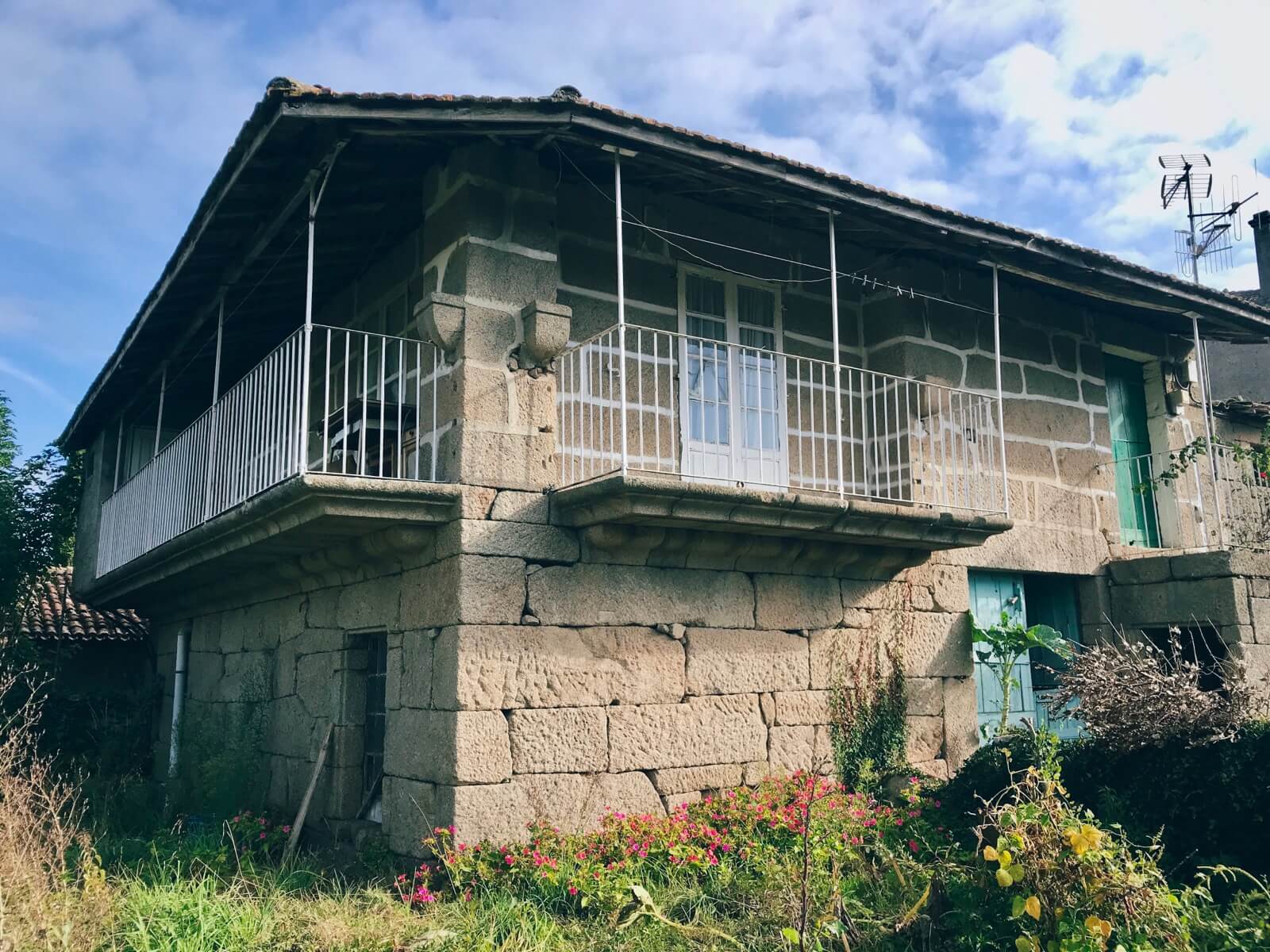
This was one of the first houses for sale we looked at. I’m very happy to report that we didn’t jump into this and spent more time feeling out the area and where we wanted to be.
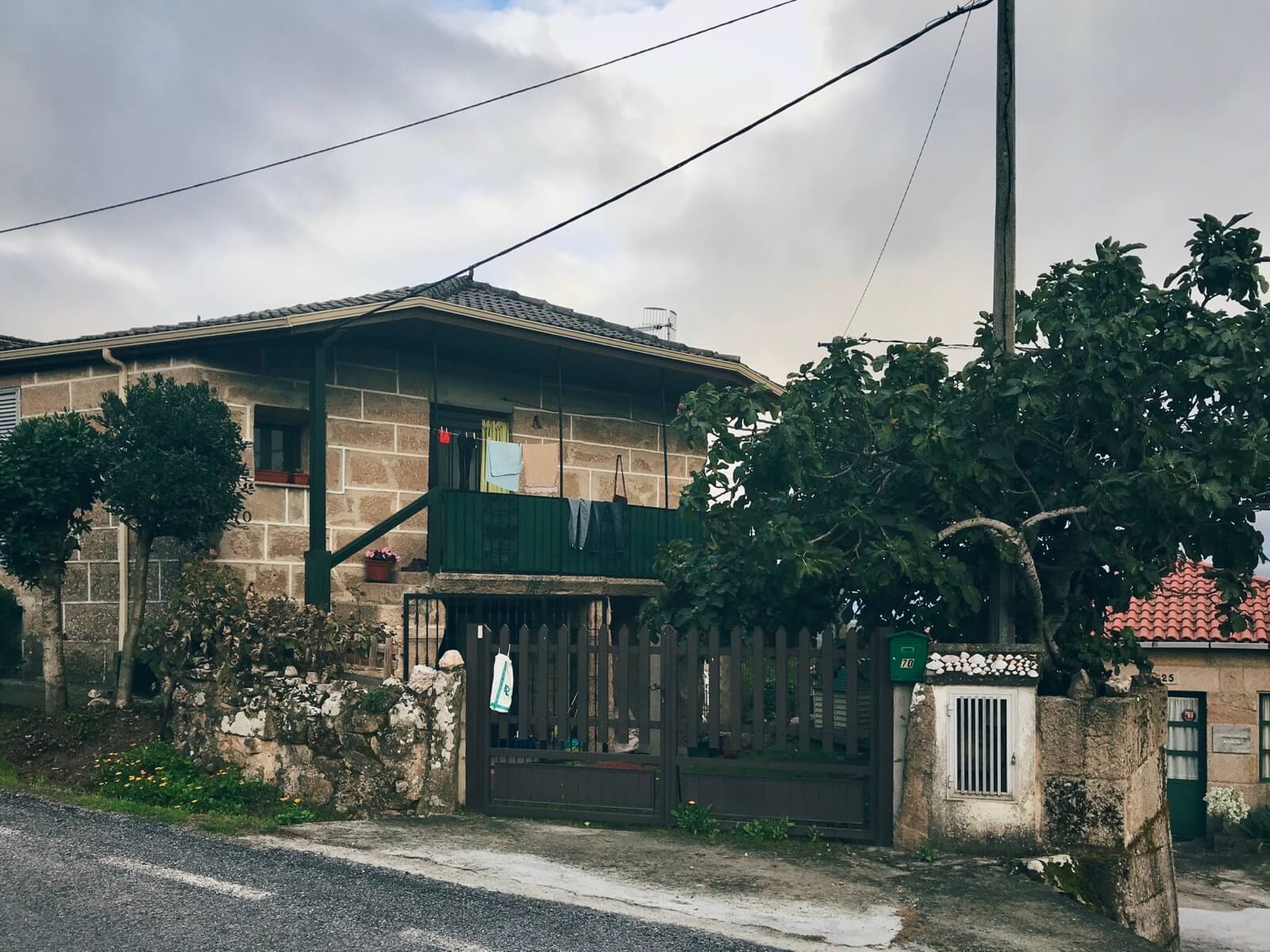
Our rental in all her glory. Refreshing and cool in the spring and summer, freezing and unbearable in the winter, but better than an apartment in a city for a global pandemic and the ensuing quarantines.
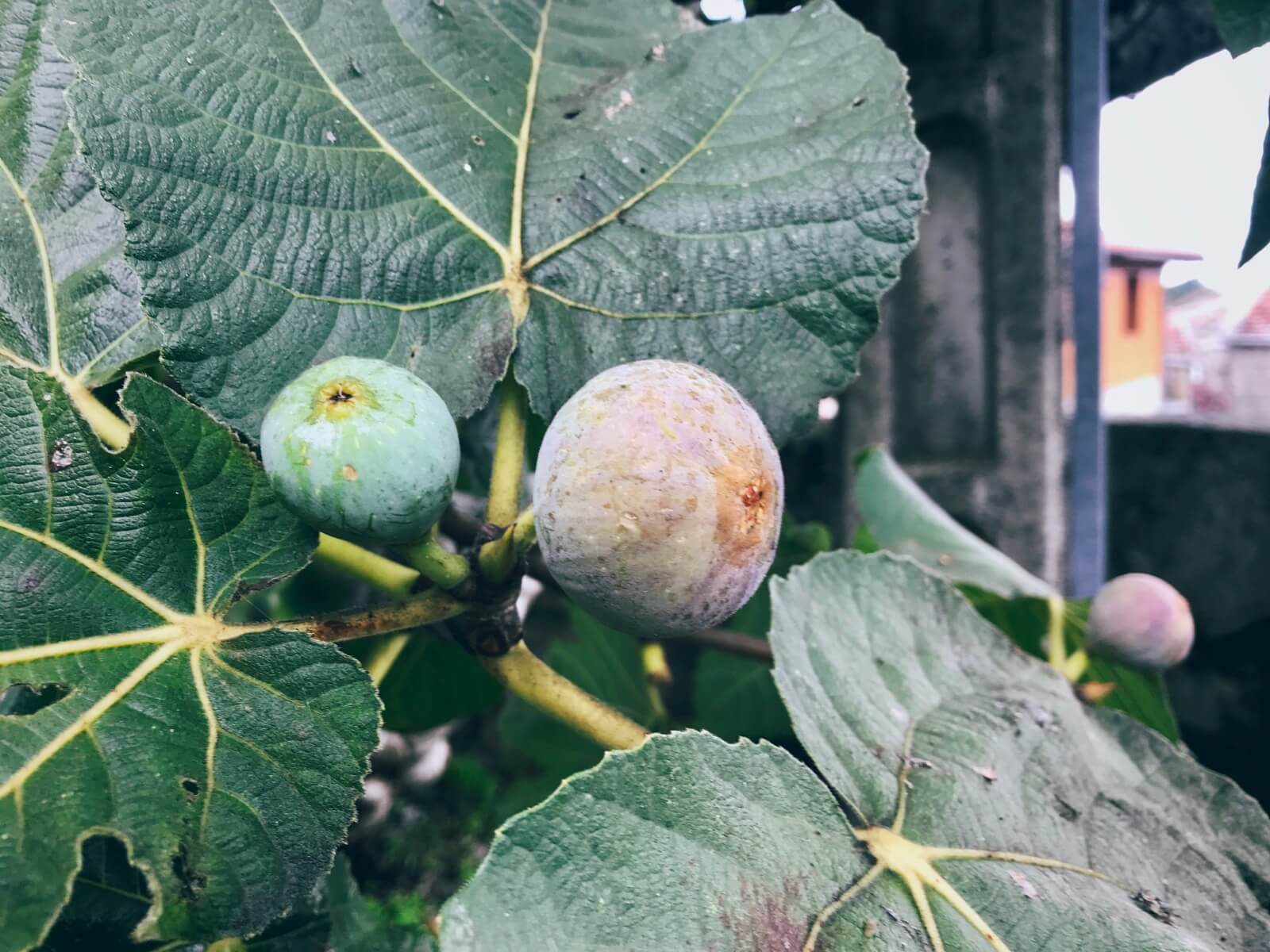
Like the house, the fig tree was a mixed bag. It gets messy and attracts bees.

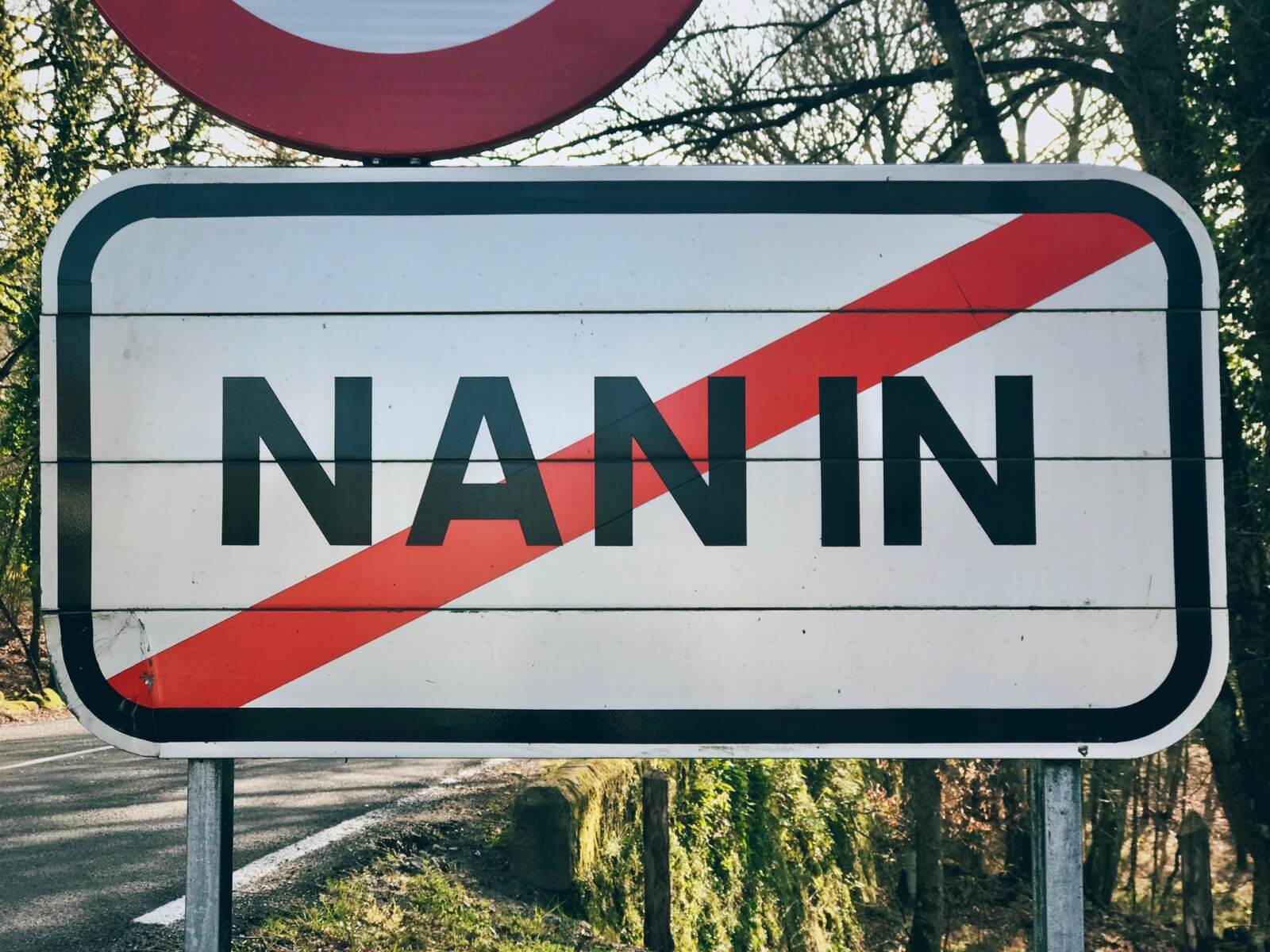
The fuente of Nanín, according to locals, gives some of the best water in all of Allariz. Indeed, we’d often see people with many glass jugs of water filling up for the water .
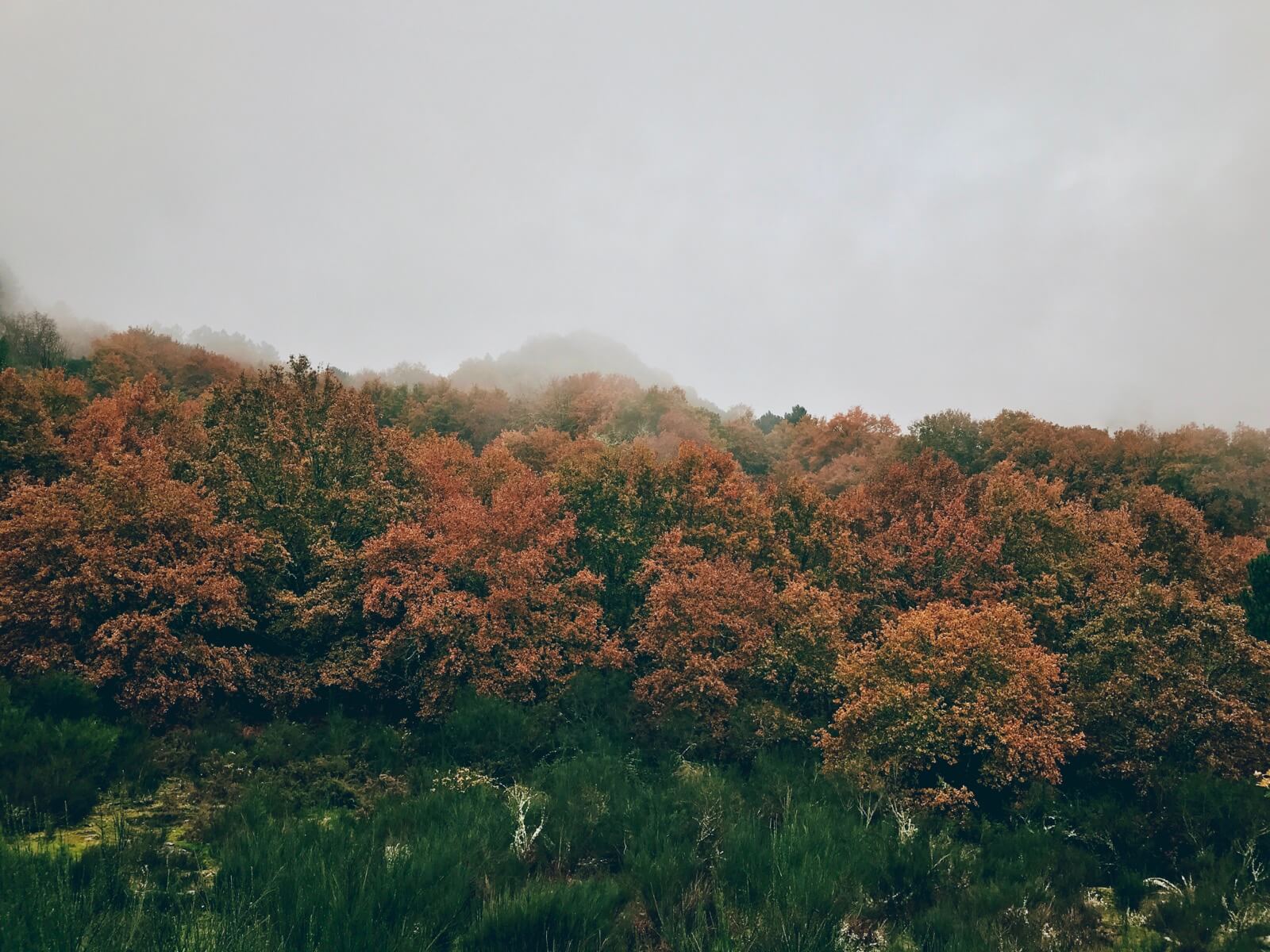
I never tired of trying to photograph nature. As is the case, it never comes out how I saw an felt the landscape at the time, but the the colors of this one from December 2019 is special.
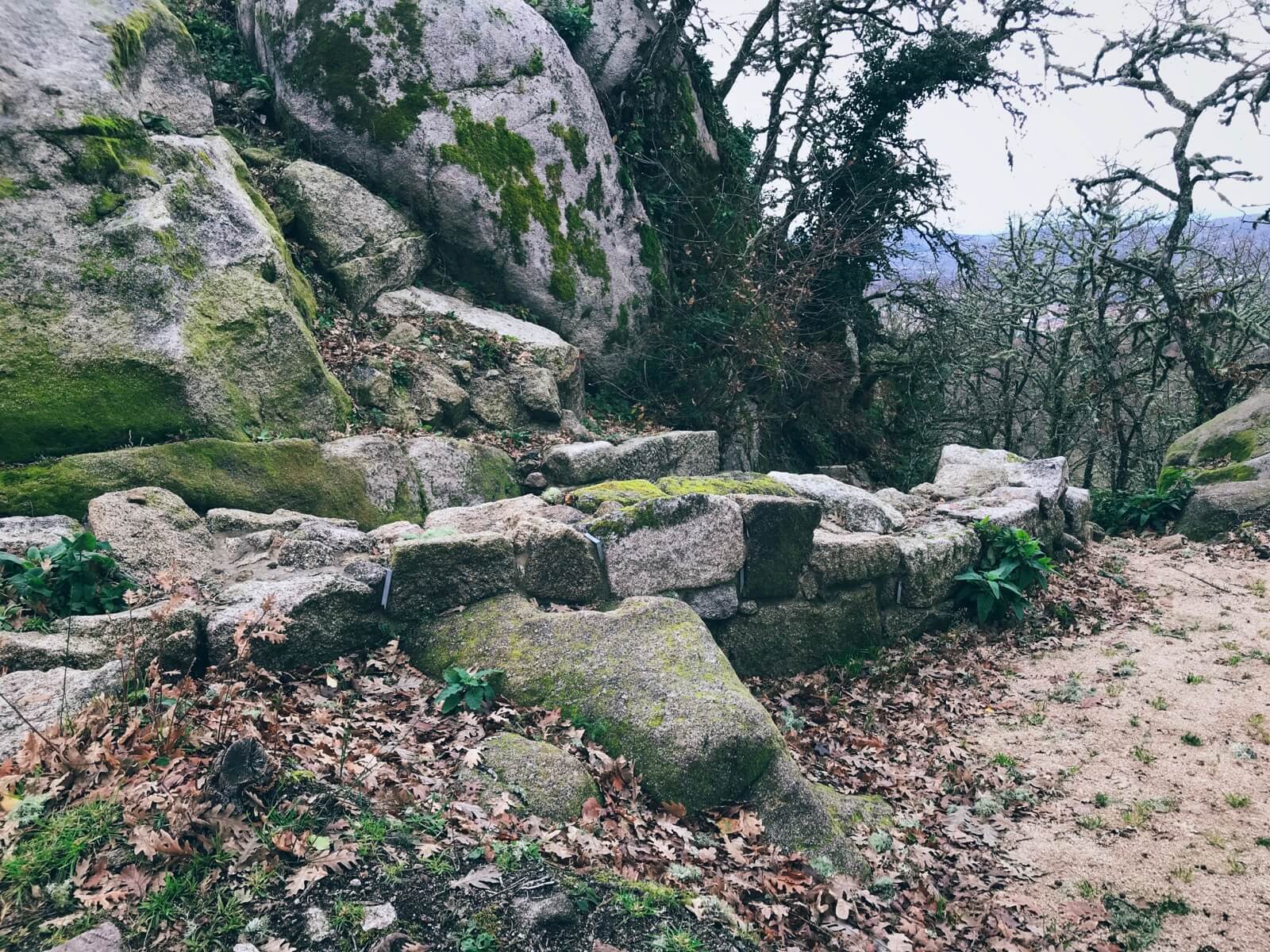
What’s left of the castelo de Todea at the strategic top of a hill in O San Salvador, another village close to Nanín.

The Arnoia river from a walking path close to Vilariño do Río. Monforte also has a river running through it, the Cabe.
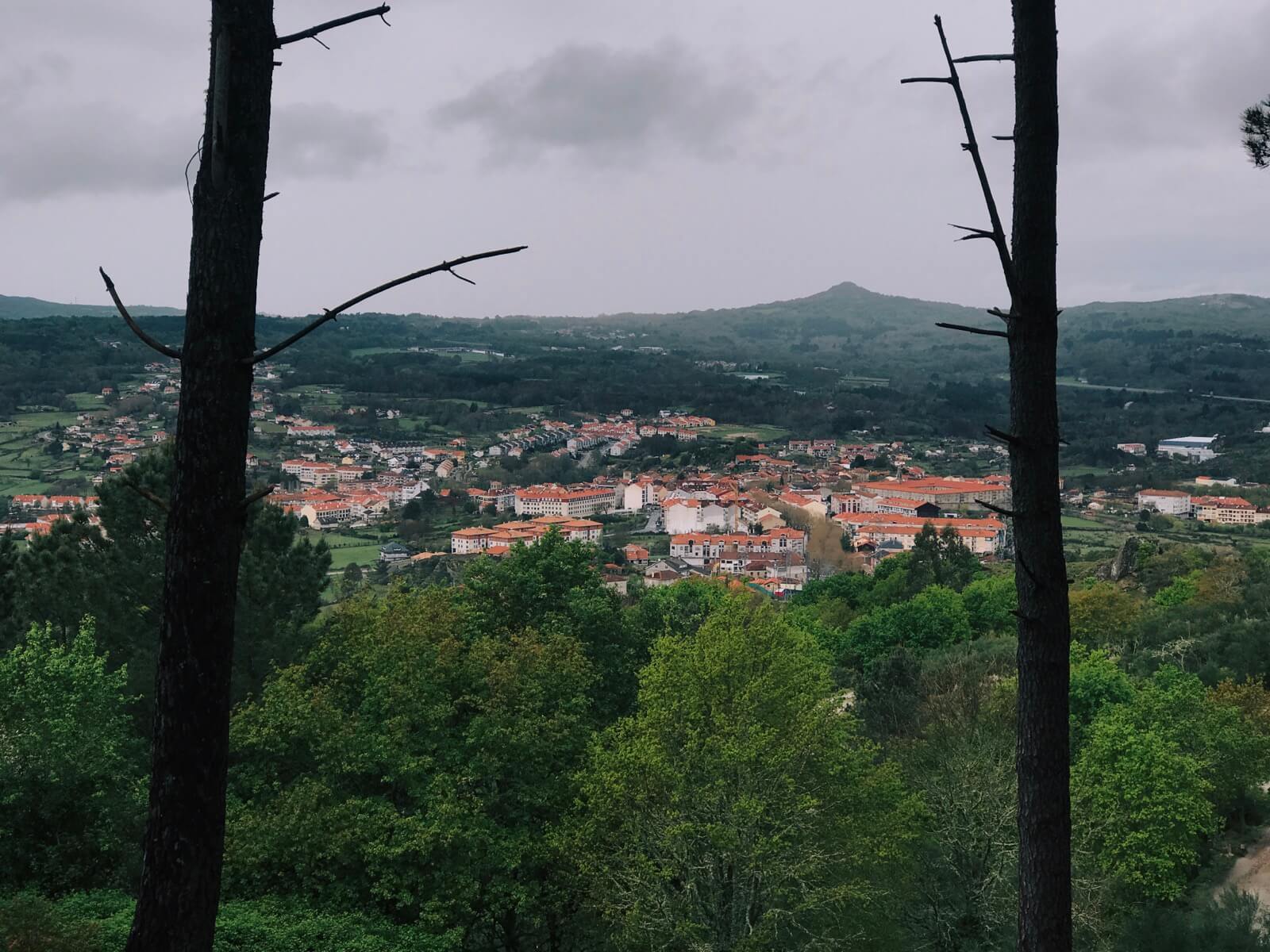
Then a pandemic came and I started noticing that Allariz gave me a different feeling. Yes, it was small, that hadn’t bothered me. But only heading down for a weekly market trip was a bit surreal. For months, I would walk up the monte and see what Allariz looked like that day from afar.
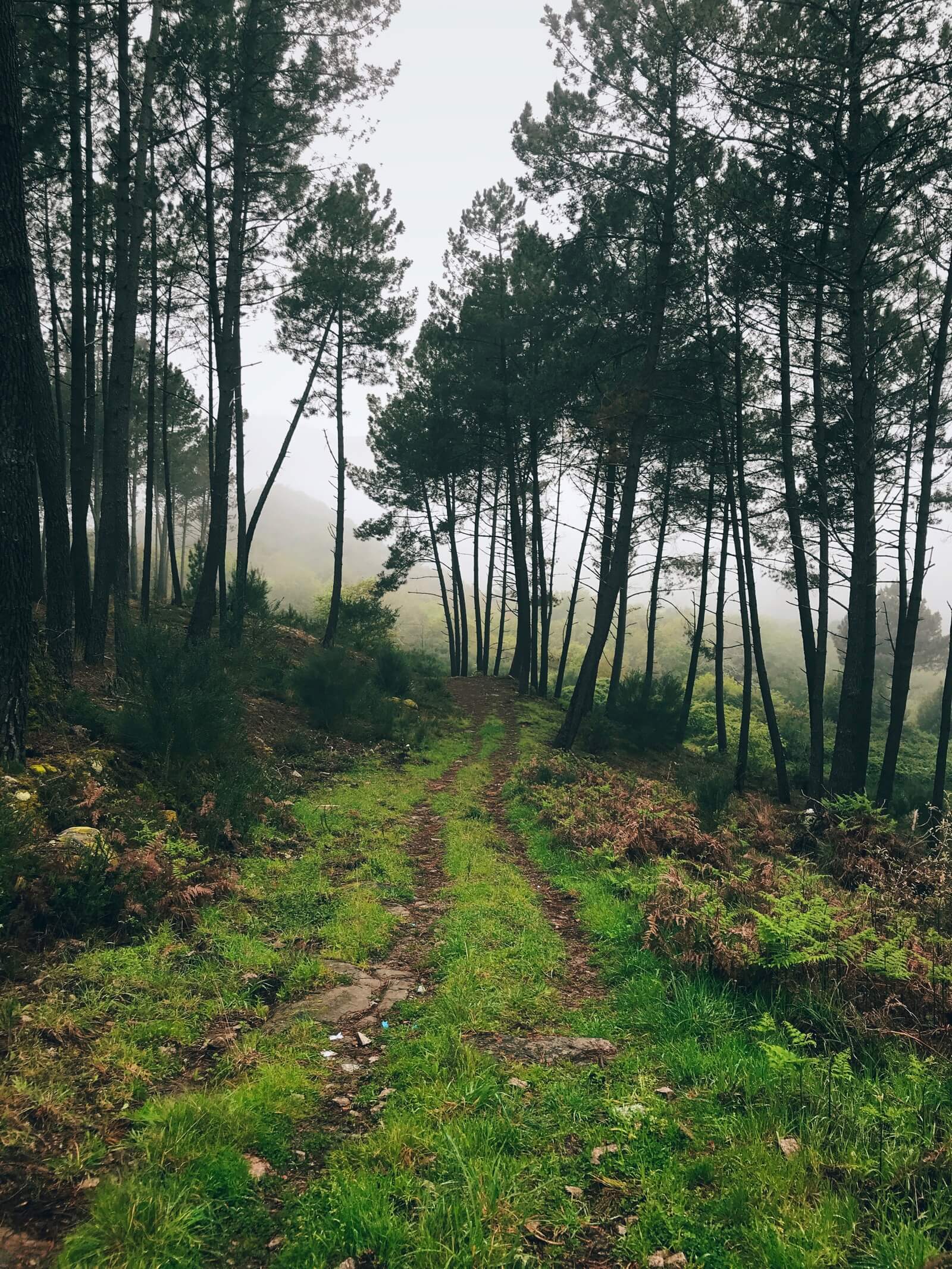
I started escaping to the monte much more than usual, usually with Alqo, many times with Patricia. I saw the changes in season and the cycle of vegetation on the same worn paths. Further down from the above image, I saw the tail end of a big boar running from us.
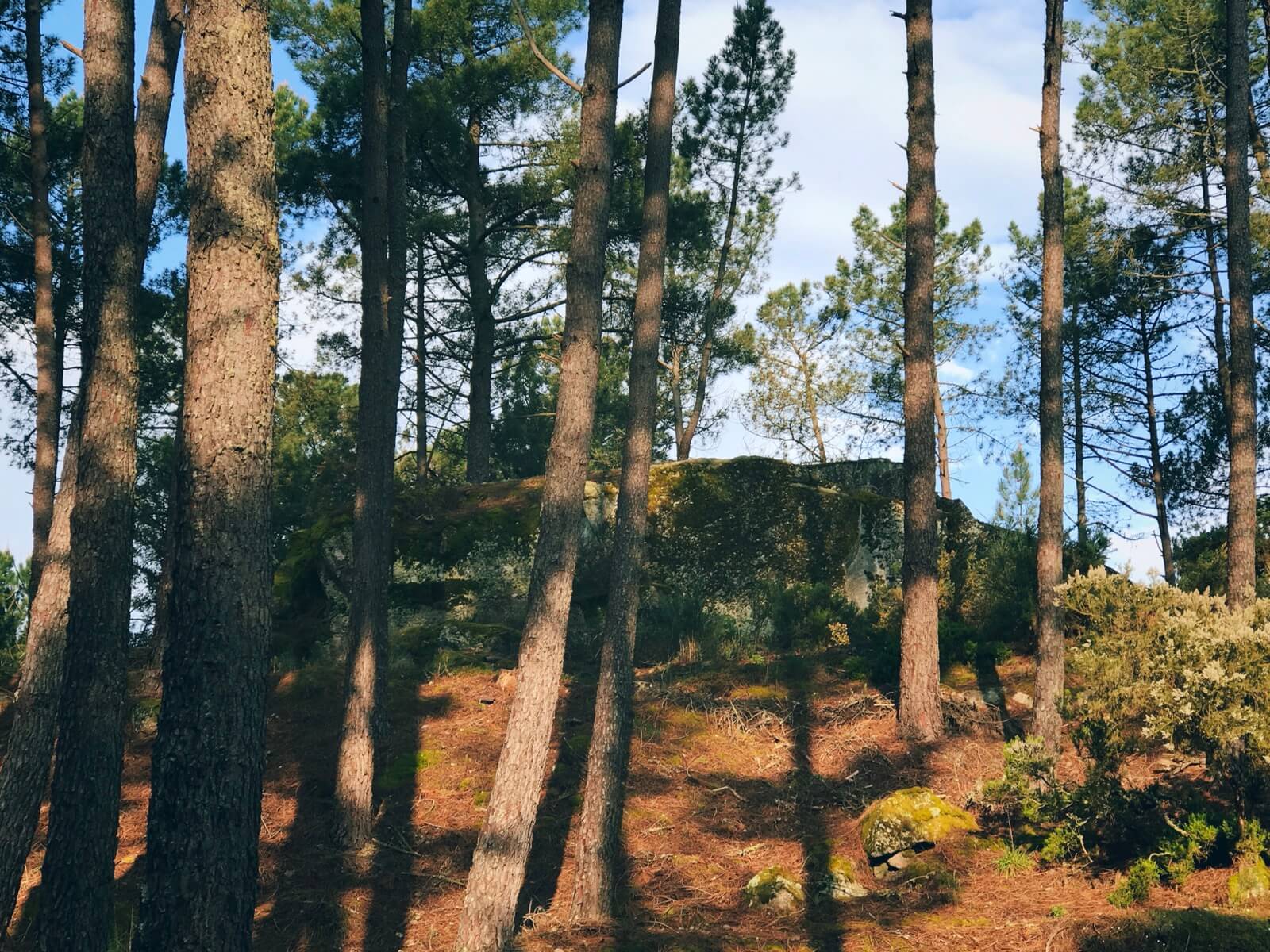
I named landmarks and paths to differentiate them, and to recount what I saw to Patricia if she hadn’t come with me. This is Nanín’s Uluru, aptly named Big Rock by me.
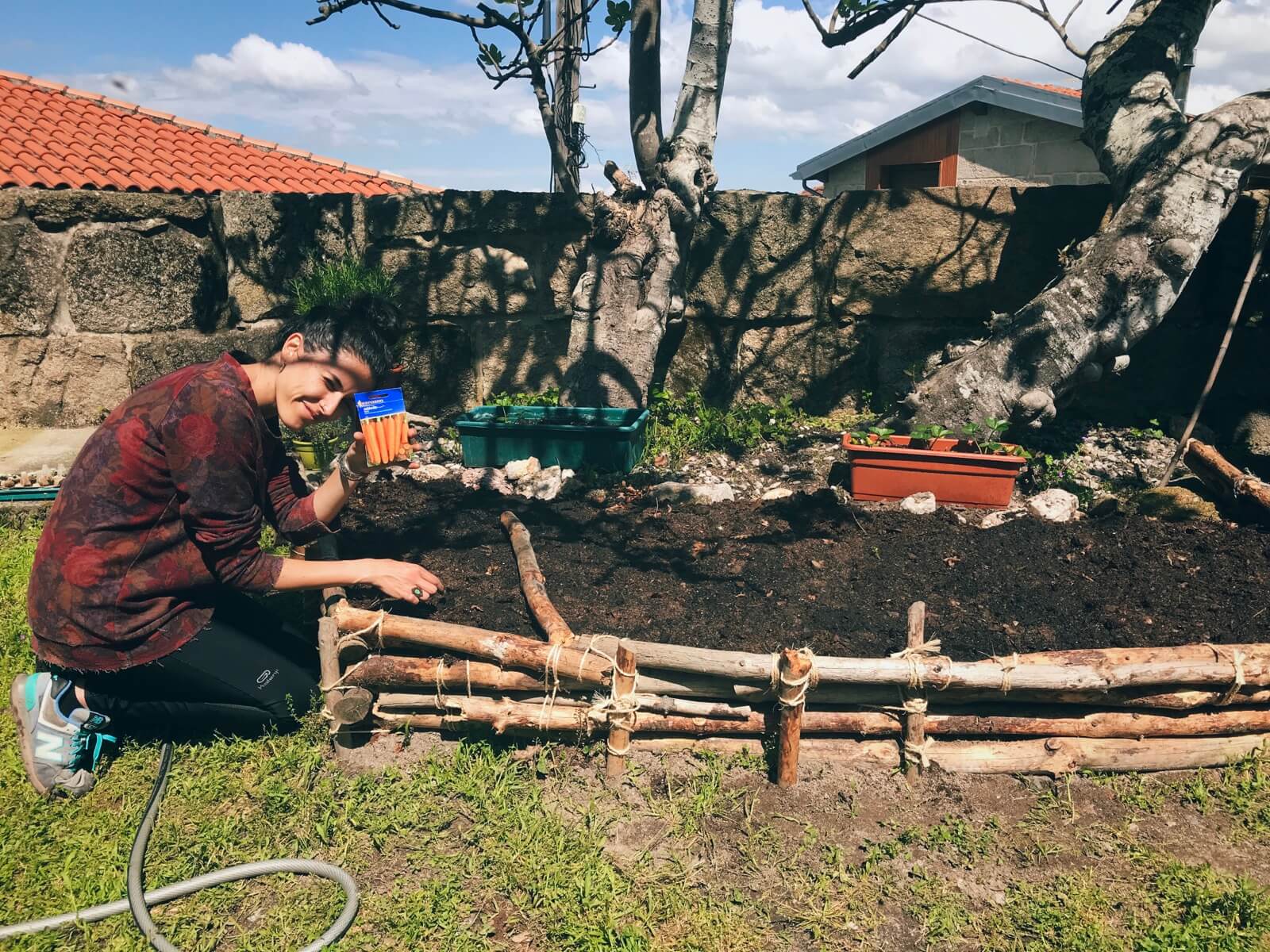
Nervous of the longevity of the quarantine and bored of being cooped up inside, we decided to spruce up the ignored small patch of garden in front of our house. Back up the monte to collect sticks and soil, we made a small raised bed where we planted carrots, arugula, strawberries, spinach, and beets.

With the two-person hammock our friends gave us when we left Germany, the small space actually turned out relaxing. As relaxing as the first months of 2020 could be. The better weather helped immensely.
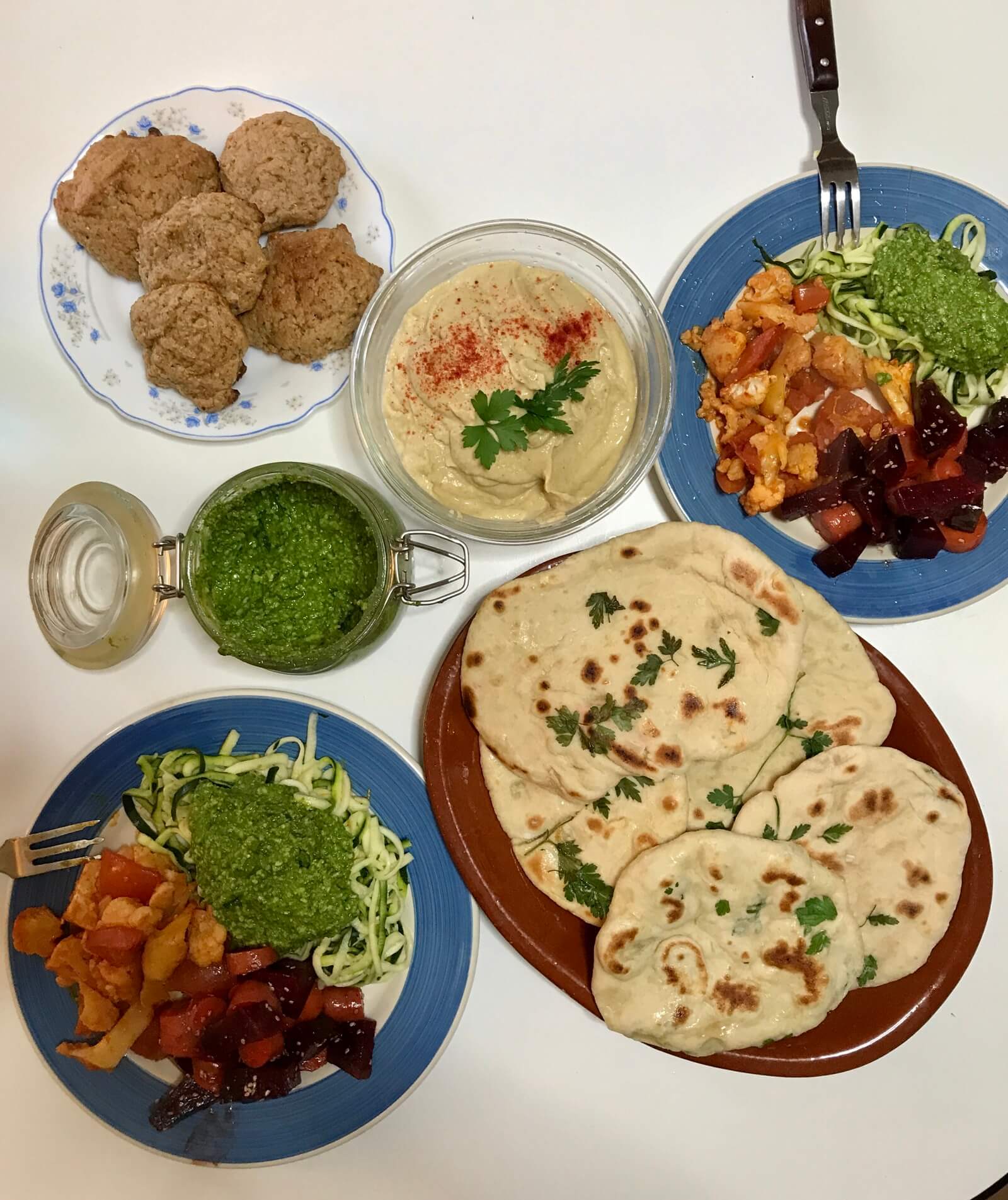
Last Ramadán, en plena pandemia, felt strange and familiar. As a convert, it reminded me of my first year, fasting at home, trying to explain my decisions to my family. Patricia fasted a bit in solidarity and helped provide us with amazing vegan or vegetarian iftars every night.
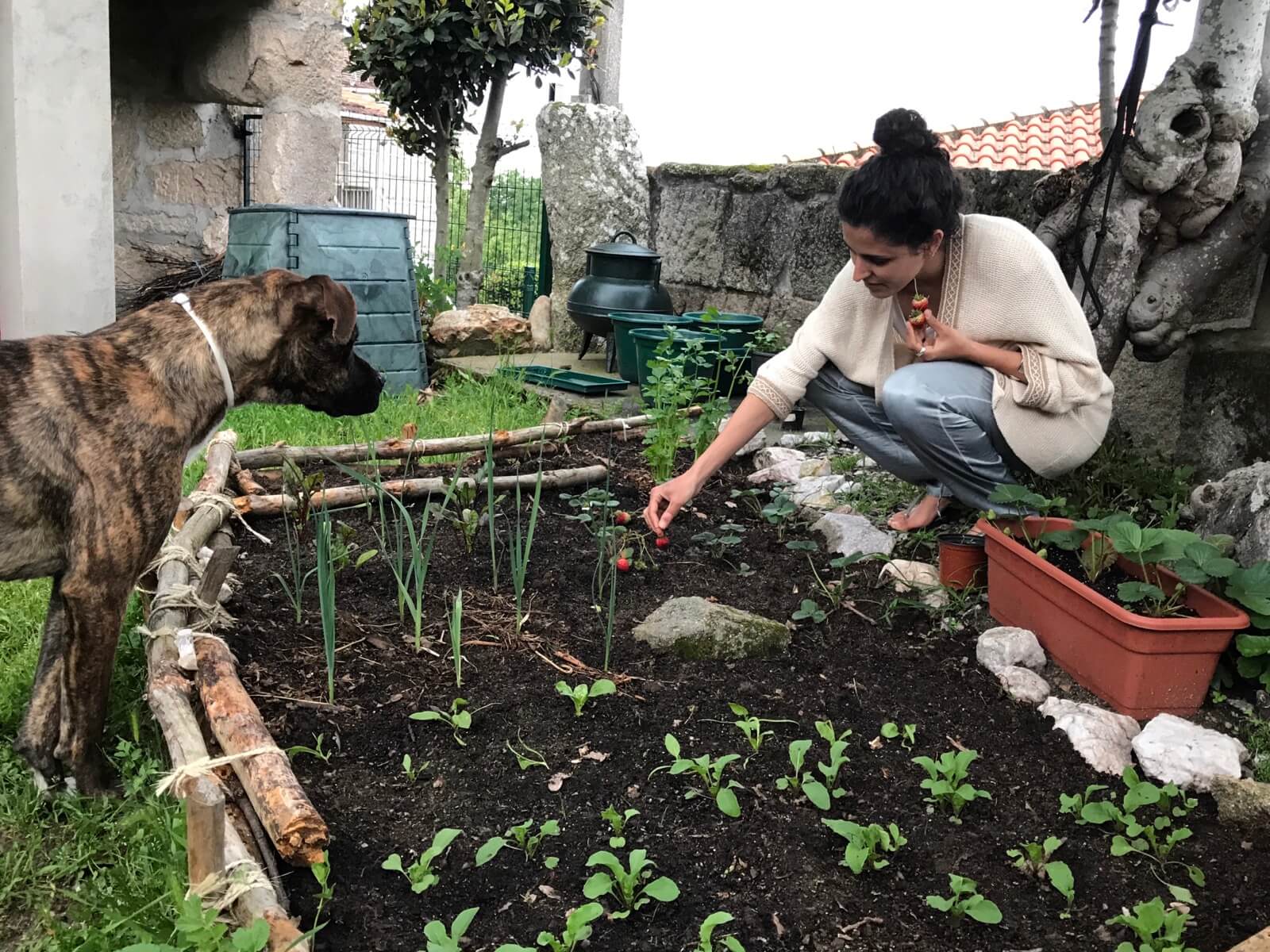
Patricia kept up the garden, Alqo did his part and mostly watched, not trying to lay down or dig it up.
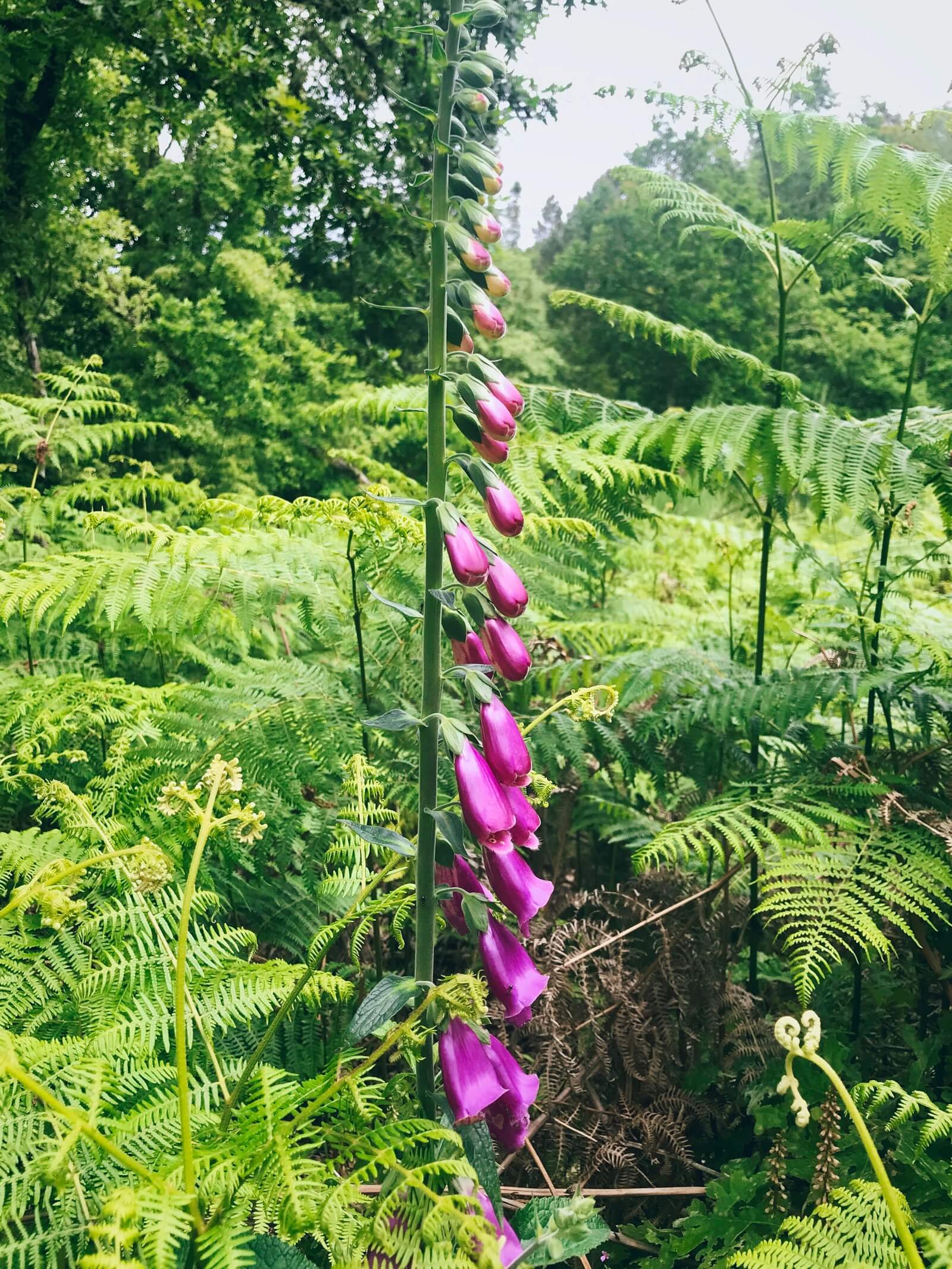
And I continued my daily after-lunch walks with the pup, admiring what I hadn’t noticed the day before.
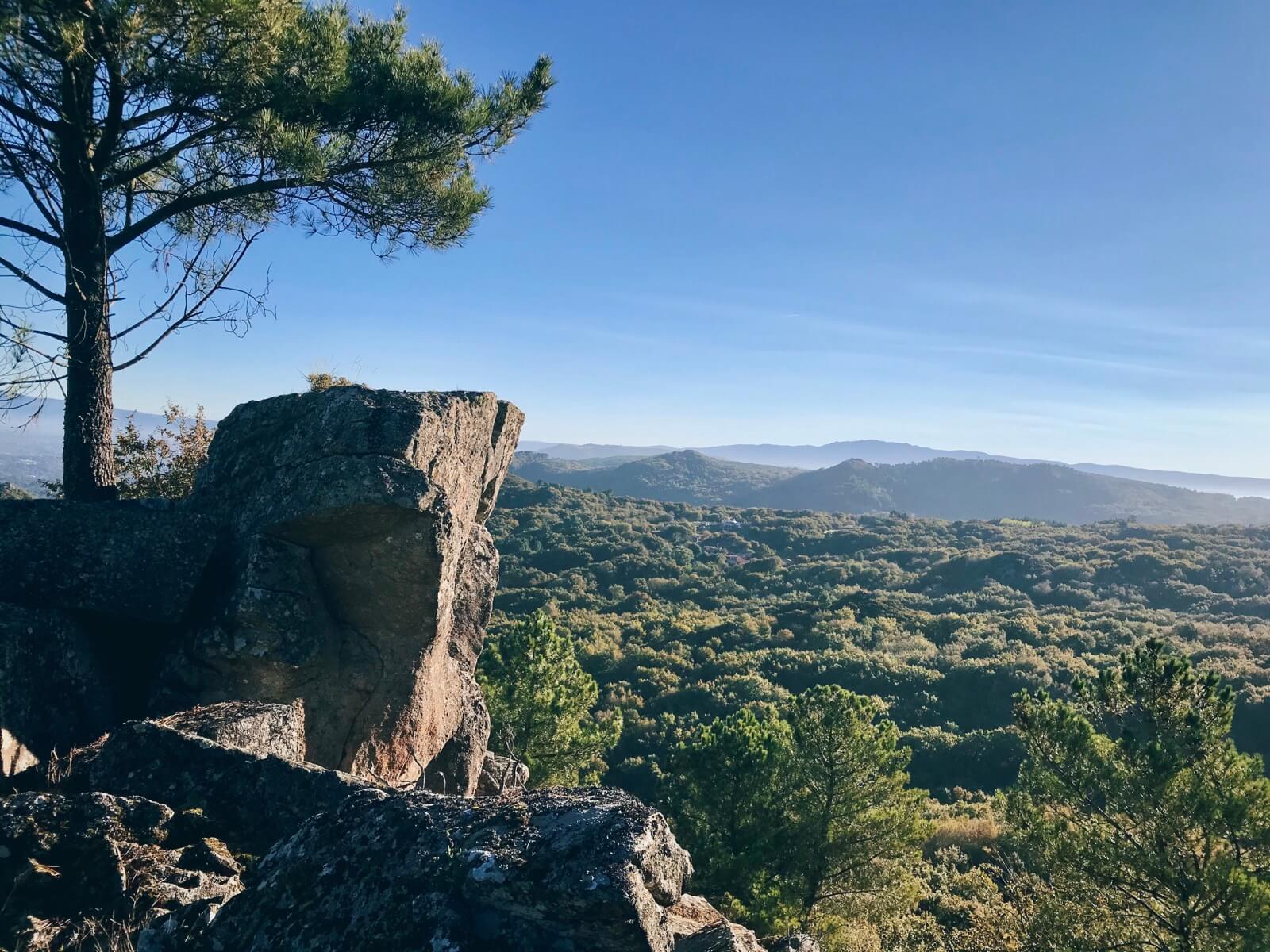
After a strange summer of house hunting, a few weekends at the beach house, and a quick trip to Portugal, fall arrived again. At the peak of summer, the monte was too hot and full of bugs to enjoy. The weather cooled, the bugs disappeared, and we were back to exploring.
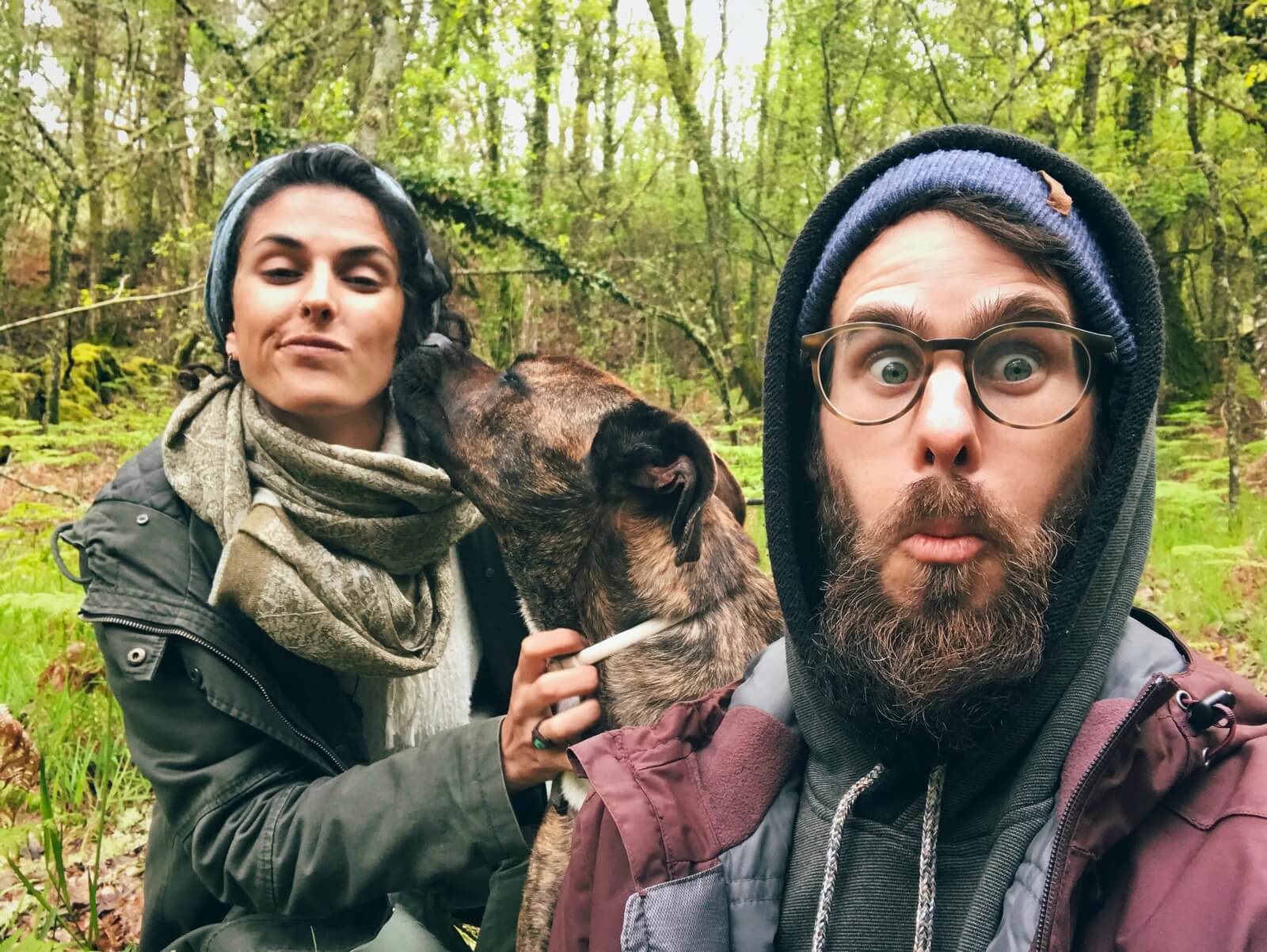
In October, we found our spot and the rest is history. I’ll miss a few friends in Allariz. They know who they are. But after talking with a friend yesterday, I realize I don’t have bittersweet feelings about leaving. Here near the Val de Lemos, I’m reinvigorated to explore, keep improving my castellano and galego, meet local and foreign residents, and work on skills and habits I’ve been cultivating. So, Allariz, ata logo!
If you’re an American and in any way invested in the political system and political developments, then you are probably in your own e-crisis…
A few days ago I was washing dishes and listening to a podcast from the Trillbilly Workers’ Party.
I started listening to them this year, during Spain’s lockdown, when I’d take Alqo into the woods for a momentary escape. Hosted by Tanya, Tom, and Tarence from Appalachia, Kentucky (Tarence is a transplant from New Mexico), their perspectives as three marxists from a rural and conservative area are illuminating. Every so often, they reference the e-crisis, or epistemological crisis, that haunts the United States.
A crisis or knowledge. We cannot agree on basic, foundational knowledge or facts in the political, social, or religious realms. With heightened stakes for progress (societal and perhaps planetary survival) from pandemics, rising acceptance of authoritarianism, climate inaction, and many of us being ‘more online’ than ever, we’ve entered a new phase on how we relate to each other and the wider world. Obviously, disagreement spans centuries and geography, but the last decade’s technological and algorithmic advancements have given us our own finely-tuned informational vacuum that is not shared with even our closest neighbors.
We, the United States, with all our social and economic contradictions might be at the stage of the Weimar or late Roman republics. I say this knowing full well my own family does not see it like that. Granted, I tend to speak in extremes. Am I seeing something differently, (or missing something) because I live abroad?
But I also see the e-crisis in myself. I’m more annoyed and sarcastic when I scroll through Twitter in my morning. Why? Because all the outrage and governmental ineptitude is on full display right when I wake up. There’s no joy filter I can turn on. I just have to muster the willpower to log off.
Before I though of this crisis as collectivized, generalized. I had not considered to think deeply about my own internal epistemological crisis.
In this particular episode, one of the hosts, Terence, started dissecting the 21st century Marxist motto “A better world is possible”. He questioned this:
We’re constantly in this space where we think we can change the world, philosophically, … but we know deep down, empirically, that we can’t. That’s the e-crisis. It’s the space between those two things.
He continued by saying that some days he wakes up feeling inspired and optimistic about the future. If we keep on working towards something positive and democratic and for the benefit of all, good things will start happening. But other days, he wakes up with the grim thought that there’s not much those of us who hold no power or sway over large institutions can do.
The contradictions are stacking up, but for all we see with what’s happening (specifically in the United States), it is not producing the mass discontent, radicalization, and organizational action of people needed to overthrow the capitalist system. So Tarence ended his monologue with:
It would probably behoove you to get into religion, some sort of spiritual practice, or something.
From previous episodes and an article about them in the Bitter Southerner, I know that two of the Tarence and Tom are ex-Christians.
As with any book or podcast that’s meaningful to me, I started reflecting on my own trajectory over the last few years. In Mauritania and Mexico I had turned away from the (neo)-traditionalist form of Islam that seemed solid to me. In the end, I couldn’t square the legalist, non-mystical, and non-materialist framing that the celebrity imams and my Mauritanian friends seemed convinced of with my reading of the Qur’an and Islamic history. Even though I was relatively late to the party, I chafed at the sectarianism online and offline. But really, I was only rebelling against my own shaky conceptions of what it meant to be Muslim.
I had read a good deal about Sufism but did not consider myself one. My first encounter with Islam was through Rumi at university. I had never felt the ineffable mystical experience that the spiritual masters and poets described until my night with the chakruna in Peru.
That night healed my broken heart for the dīn, that way of life given to us by The One That is Closer to Us Than Our Jugular Veins and elucidated by the prophets since the first Homo sapiens, willingly adopted as my own. It also gave me the drive to start opening up about things that I consider incredibly complex and important. I don’t have all the answers obviously, and perhaps I’m wrong about many things. But I have enjoyed the path.
But if I’m being honest, I have become distracted from the ineffable. I externalized my peace of mind and happiness into the material with the Bernie campaign, wishing for improvements that might never come. I’m probably not alone. But with getting older, reading closely the arc of history and progressive movements. Sometimes the shoe never drops. I could live out the rest of my days with the anticipation of the sudden collapse of the global financial capitalist system that never comes. Tarence wasn’t suggesting religion to move away from fighting those necessary battles; racial injustice, the climate emergency, the neo-fascists. He was giving us a bigger anchor to hold on to.
I look to the Qur’an and Islam as one might look to Jesus and Christianity to steady myself and see the long game. To read the allegories of the prophets and the pronouncements for me is to gain a larger, more cosmic perspective of things. In the end, Justice will be served. It is up to us and in the same way, not up to us.
After I finished the dishes, I picked up my copy of Shahab Ahmed’s What is Islam? It was a field-changing book for Islamic Studies. I’m still in the introduction but in it, he picks apart the the conception of what is Islamic. Are wine-cups from the caliphs with Arabic inscriptions on them considered Islamic? Why do we consider the juridical perspectives of the great imams more Islamic than the philosophic-religion like Ibn Sina or Ibn ‘Arabi?
But it wasn’t necessarily the contents of the book that comforted me that night. It was the convergence of hearing someone remind us of the importance of a larger spiritual worldview to strengthen ourselves for the important materialist fight for earthly progress and an important scholar exploring what it really means to be Muslim, using examples of practices and people who are occasionally considered heterodox (outside of the fold of Islam) that lifted me.
It’s a silly example that can only make sense to me, with all the things rattling around in my head. But I’m sure there are others who have similar experiences of different stimuli that converge at the exact right moment they need them to produce a personal mini-breakthrough. I needed that this particular night.
My own e-crisis will remain, I’m sure. I can’t turn it off and dive so fully into my own surroundings and hobbies that I forget about what goes on outside my family, my tribe, my spiritual community, or country. But reframing my thinking and using a “larger anchor” that I had momentarily forgotten have gifted me more acceptance for what might come. And for that I am grateful.